Walk into any gym in 2018 and you would hear the same thing. Burpees. Sprints. Timers beeping every 30 seconds. The culture was clear. Push harder. Sweat more. Collapse at the end.
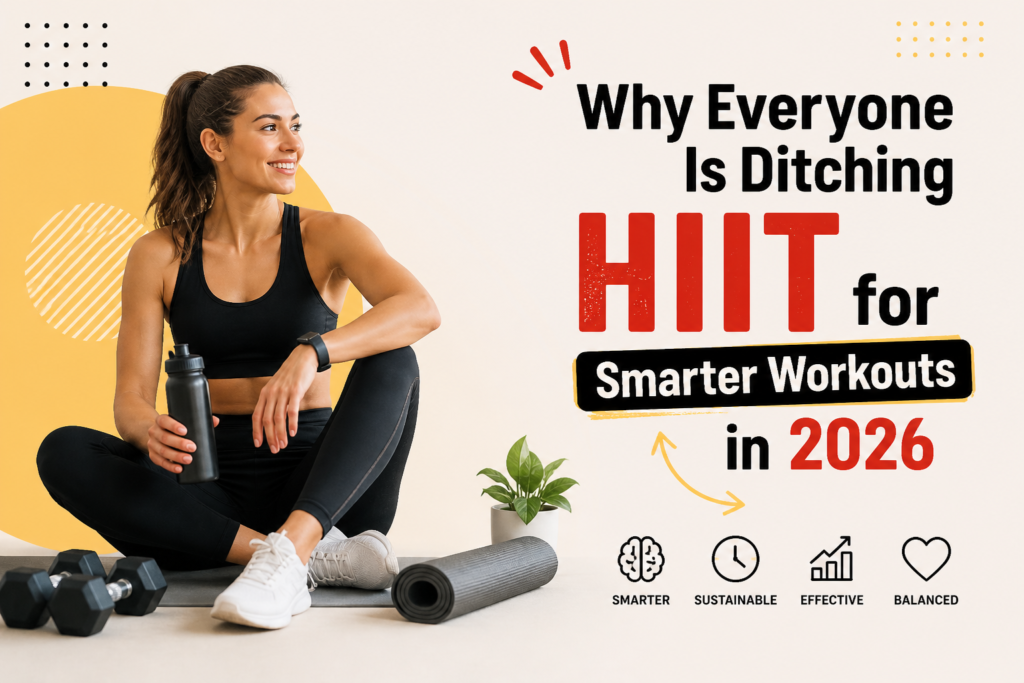
Fast forward to 2026, and the energy feels different. People are still working out. They are still committed. But they are no longer chasing exhaustion as a badge of honor. Instead, they are chasing something far more valuable. Sustainability.
This shift is not about abandoning High-Intensity Interval Training, also known as HIIT. It is about growing out of the idea that one type of workout can solve everything. Fitness has matured, and so have the people who practice it.
The HIIT Boom and What It Taught Us
There is no denying that HIIT changed the fitness industry. It made exercise accessible to people with busy schedules. It proved that you did not need hours in the gym to see results.
For many, HIIT was a breakthrough. Short, intense sessions delivered visible progress. People felt stronger, faster, and more capable. It built confidence and momentum.
But over time, something else happened. People began to notice that while HIIT was effective, it was also exhausting when done too often. What started as an efficient solution slowly became a daily grind for many.
When Intensity Becomes Too Much
The human body is remarkably adaptable, but it is not designed to operate at maximum intensity every day.
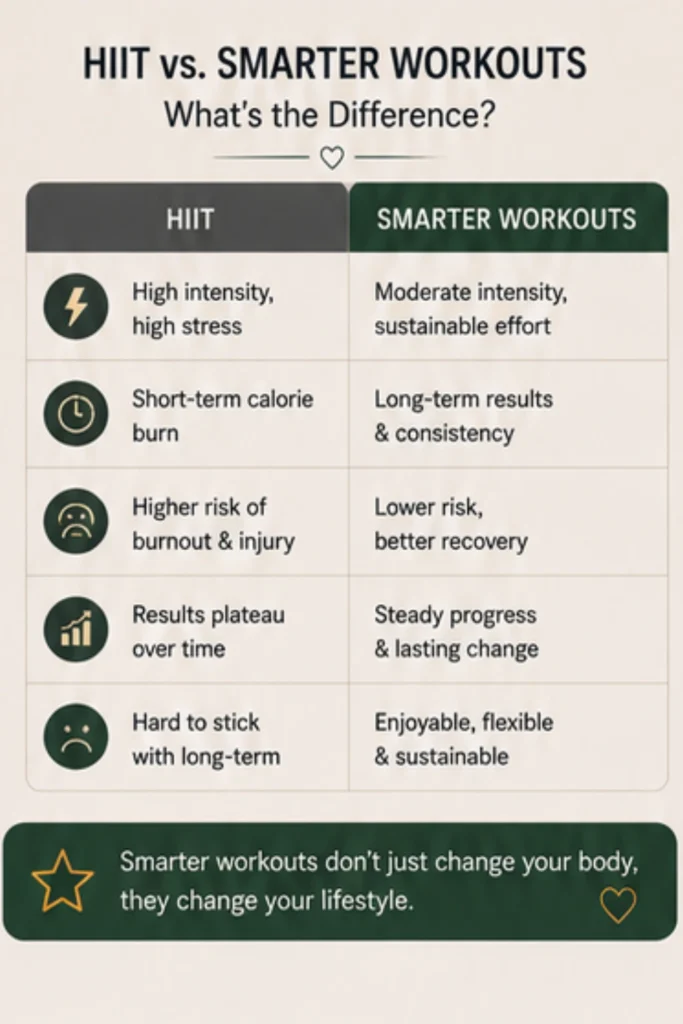
Many people who relied heavily on HIIT began to experience the same issues. Constant fatigue. Sore joints. Lack of motivation. Workouts that once felt exciting started to feel like a chore.
This is not because HIIT is flawed. It is because intensity without balance creates stress. And too much stress, even in the form of exercise, can hold the body back instead of moving it forward.
People are now more aware of this. They are paying attention to how they feel, not just how many calories they burn.
A Smarter Way to Train
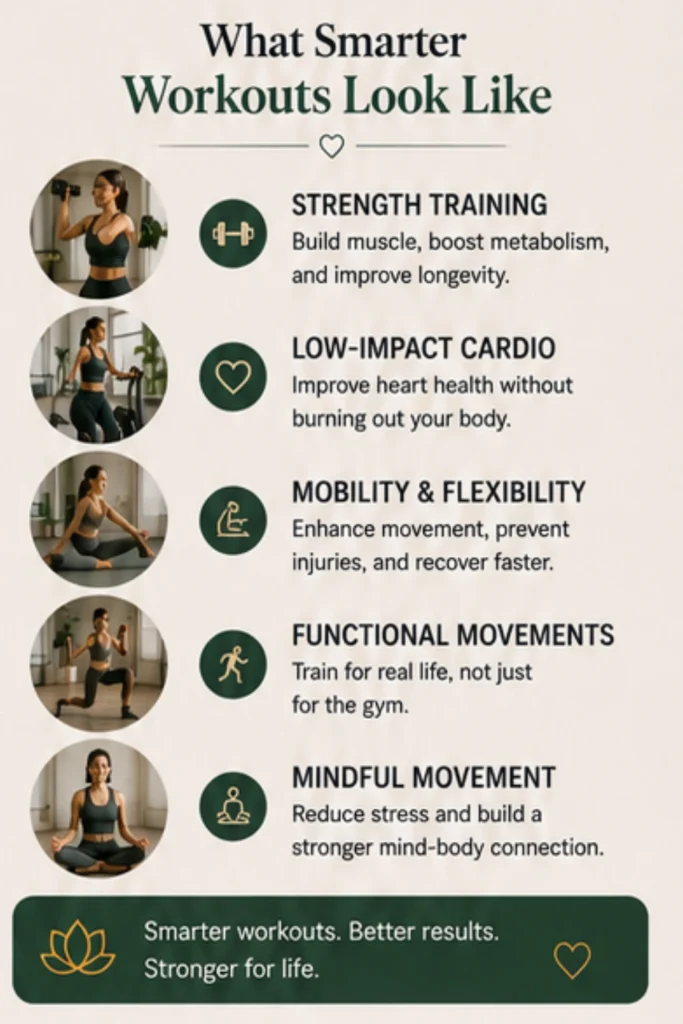
In 2026, fitness is becoming more thoughtful. Instead of asking, “How hard can I go today?” people are asking, “What does my body actually need today?”
Some days, the answer is a tough workout. Other days, it is a walk, a stretch, or a lighter session.
This shift may seem small, but it changes everything. It turns fitness from a rigid routine into a responsive system. One that adapts to energy levels, stress, sleep, and overall health.
The Rise of Balance
One of the biggest changes in modern fitness is the understanding that not every workout should feel intense.
Low-intensity training has made a strong comeback. Walking, cycling at an easy pace, and steady cardio are no longer seen as less effective. They are now recognized as essential.
These types of workouts build endurance, improve heart health, and help the body recover. They also make fitness feel more approachable, especially for people who felt intimidated by high-intensity routines.
Instead of going all-out every day, people are mixing hard days with easy ones. This balance leads to better results over time.
Strength and Movement Matter More Than Ever
Another shift happening in 2026 is the focus on movement quality.
People are no longer working out just to burn calories. They are training to move better in everyday life. That means building strength, improving posture, and increasing flexibility.
Exercises that involve multiple muscle groups are becoming more popular. So are practices that improve mobility and coordination.
This approach does not just make people fitter. It makes them more capable. Carrying groceries, climbing stairs, or playing with children becomes easier.
Fitness is starting to feel more connected to real life, not just what happens inside a gym.
Recovery Is Finally Getting the Attention It Deserves
For a long time, recovery was overlooked. Rest days were often skipped, and soreness was worn like a badge of honor.
That mindset is changing.
People now understand that progress does not happen during the workout itself. It happens afterward, when the body repairs and rebuilds.
Sleep, stretching, and stress management are becoming part of regular fitness routines. Not extras, but essentials.
This change has made workouts more effective. It has also made them more enjoyable. When the body feels good, people are more likely to stay consistent.
Technology Is Making Fitness Personal
Another reason for the shift away from HIIT-only routines is the rise of personalized fitness.
Wearable devices and apps now provide insights that were not available before. People can track their heart rate, recovery levels, and daily activity.
This information helps them make better decisions. If the body is tired, they can adjust. If energy is high, they can push a bit harder.
Instead of following a one-size-fits-all program, people are creating routines that fit their own needs. This makes workouts more effective and reduces the risk of burnout.
Mental Health Is Part of the Conversation
Fitness is no longer just about physical appearance. Mental well-being is now a major part of the equation.
High-intensity workouts can be energizing, but too much intensity can also increase stress. People are beginning to notice this connection.
As a result, more individuals are including activities that help them relax and reset. Slower workouts, mindful movement, and time spent outdoors are becoming just as important as intense sessions.
This more balanced approach supports both body and mind.
Variety Keeps People Engaged
One of the reasons people are moving away from HIIT-only routines is simple. Repetition gets boring.
Doing the same type of workout every day can lead to mental fatigue. It can also limit physical progress.
In 2026, variety is key. People are combining different types of training throughout the week. Some days are intense. Others are slower and more controlled.
This keeps things interesting. It also challenges the body in new ways, leading to better overall fitness.
HIIT Still Has a Place
Despite all these changes, HIIT is not disappearing. It still offers clear benefits. It is efficient, effective, and can deliver results when used correctly.
What has changed is how people use it. Instead of relying on it every day, they are using it strategically. A few sessions each week, combined with other types of training, tend to work better than constant high intensity.
This approach allows people to get the benefits of HIIT without the downsides.
A Shift in Mindset
At its core, this trend is about more than workouts. It is about mindset.
In the past, fitness was often driven by urgency. Quick results. Fast transformations. Intense effort at all costs.
Now, the focus is shifting toward longevity. People want to stay active, healthy, and strong for years, not just weeks.
This requires a different approach. One that values consistency over intensity and progress over perfection.
Final Thoughts:
The move away from HIIT as the center of fitness is not a step backward. It is a step forward.
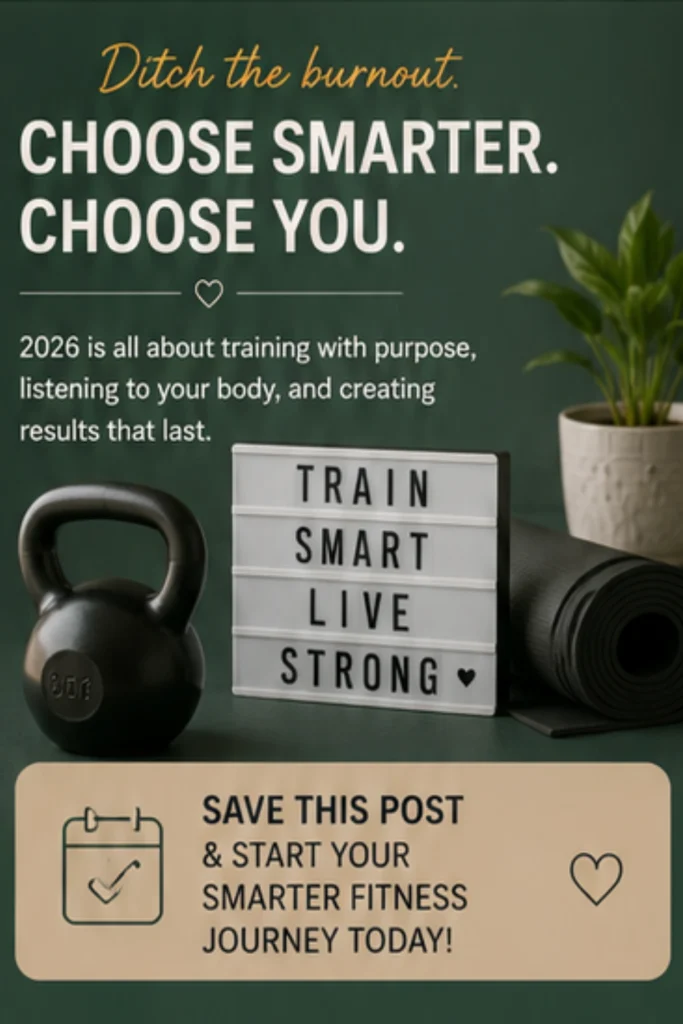
People are learning that more is not always better. Smarter is better.
By combining different types of training, prioritizing recovery, and listening to their bodies, they are building routines that actually last.
HIIT is still part of the picture, but it is no longer the whole picture.
In 2026, fitness is less about pushing to the limit every day and more about creating a system that works for life. And that is a change worth embracing.