For a long time, fitness meant one thing for most people: losing weight.
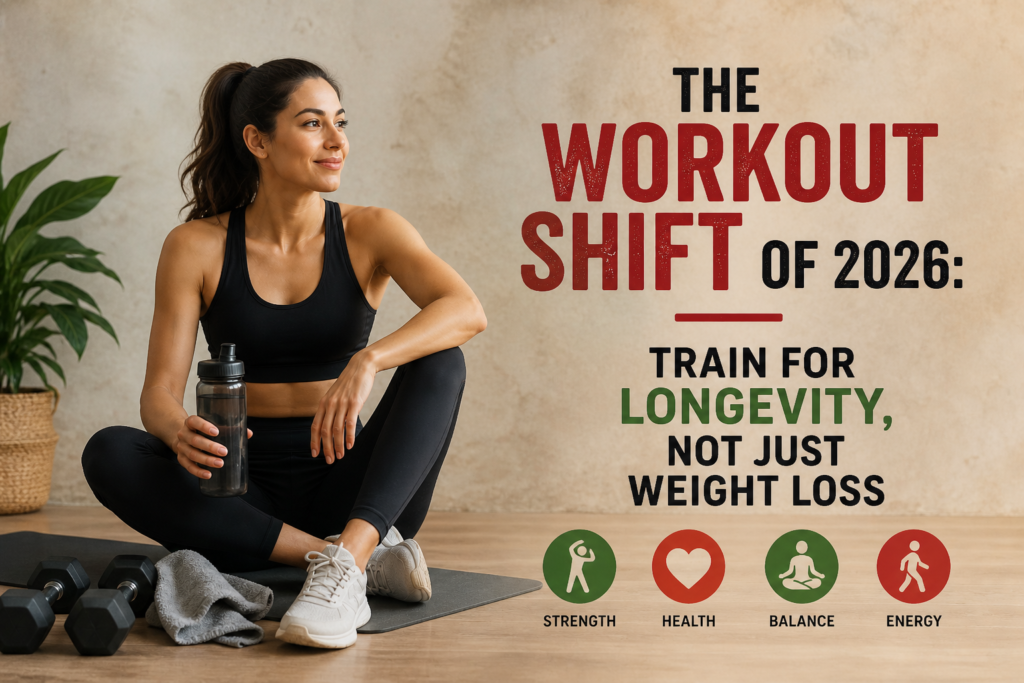
People joined gyms to burn calories, followed strict diet plans, spent hours on cardio machines, and judged progress by what the scale said every morning. The goal was simple—lose fat, look slimmer, and fit into smaller clothes.
But in 2026, that mindset is changing.
More people are starting to realize that fitness should not only be about looking better for a few months. It should be about feeling stronger, staying healthier, and living better for the next 30 or 40 years.
That is where longevity training comes in.
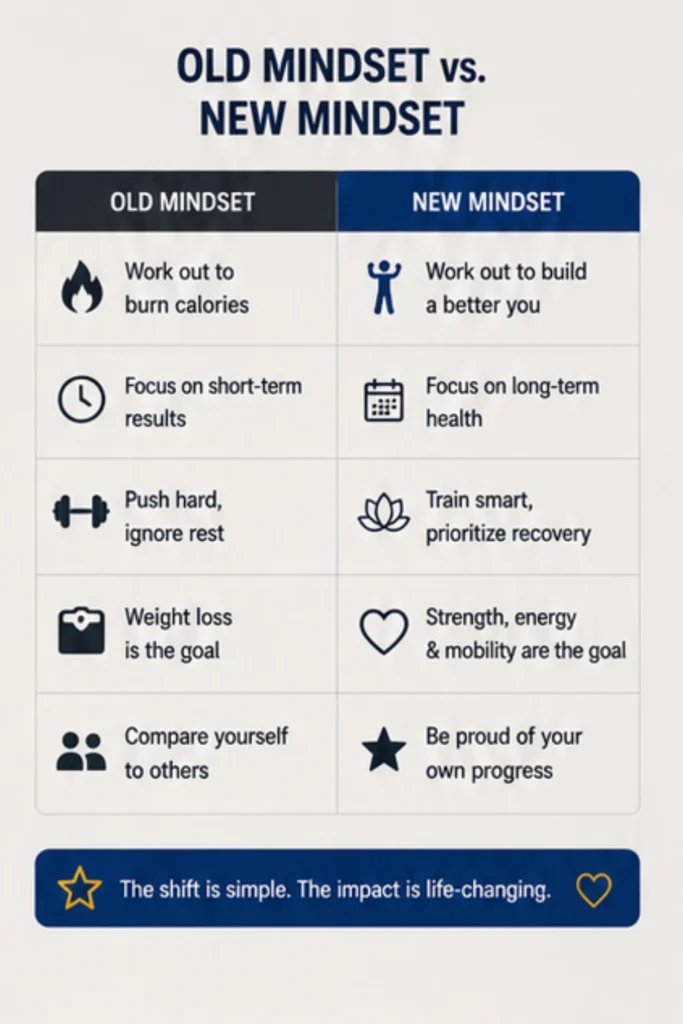
Instead of asking, “How fast can I lose weight?” people are now asking, “How can I stay strong, active, and independent as I age?”
This is the biggest workout shift of 2026.
People are moving away from punishment-based fitness and choosing training that supports long-term health. The focus is no longer just fat loss. It is strength, mobility, energy, heart health, recovery, and quality of life.
Because the real goal is not just living longer.
It is living better.
It is being able to climb stairs without pain at 70, travel comfortably at 80, carry groceries without struggle, and enjoy life without feeling physically limited.
That is what modern fitness is really about.
Why Weight Loss Is No Longer the Only Goal
Let’s be clear—weight loss can be important.
Reducing excess body fat can improve blood pressure, lower disease risk, and support overall health. But the problem starts when weight loss becomes the only thing people care about.
This often leads to unhealthy habits.
Crash diets, extreme cardio, overtraining, and trying to “burn off” every meal may produce short-term results, but they rarely create long-term success. Many people lose weight quickly, only to gain it back because the routine was never realistic or sustainable.
Even worse, focusing only on body weight ignores some of the most important markers of health.
The scale cannot tell you:
- How strong your muscles are
- How healthy your heart is
- Whether your bones are getting stronger
- How well you move
- How good your balance is
- How fast your body recovers
- Whether your sleep is improving
- How much energy you have every day
Someone can be lighter and still feel weak, tired, stiff, and unhealthy.
On the other hand, someone who weighs more but has strong muscles, good endurance, healthy mobility, and solid energy levels may actually be in much better shape.
That is why the fitness conversation is changing.
People are learning that strong is often healthier than simply skinny.
What Longevity Training Really Means
Longevity training does not mean working out harder.
It means working out smarter.
It is not about doing the most intense workout possible or burning the highest number of calories. It is about building a body that supports you for life.
Instead of asking:
“How much did I sweat today?”
You start asking:
- Did I improve my strength?
- Did I help my heart and lungs?
- Did I support my joints and mobility?
- Did I train in a way I can keep doing for years?
- That is the real difference.
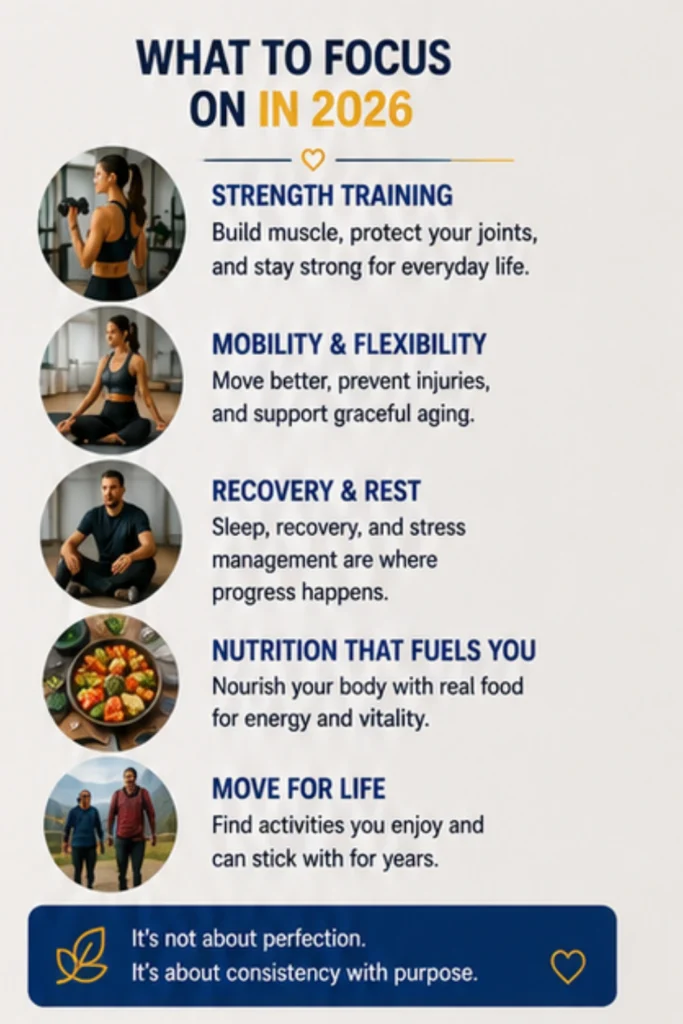
Longevity training is built around four key pillars: strength, cardio, mobility, and recovery.
When these four areas work together, your body performs better now and stays healthier later.
Strength Training Is the New Foundation
If there is one thing fitness experts agree on in 2026, it is this:
Strength training matters.
As we age, we naturally lose muscle mass. This affects metabolism, posture, balance, energy levels, and even independence later in life.
That is why resistance training is no longer seen as optional. It is essential.
Strength training helps:
- Preserve lean muscle
- Improve metabolism
- Support bone density
- Reduce injury risk
- Improve posture
- Increase energy
- Support healthy aging
And no, this does not mean everyone needs to become a bodybuilder.
Simple exercises like squats, lunges, rows, push-ups, deadlifts, and carrying weights can make a huge difference.
These are real-life movements that improve how your body functions every day.
Being able to lift your luggage, carry groceries, get up from the floor, or move confidently without pain matters far more than chasing a smaller waistline.
That is why “strong at 80” has become a much better goal than “skinny by summer.”
Cardio Is About Heart Health, Not Just Fat Burning
For years, cardio was treated like a weight-loss tool.
People would spend endless hours walking on treadmills or doing intense cardio sessions just to burn calories.
But cardio has a much bigger purpose.
Your heart, lungs, circulation, and endurance are directly connected to how well you age.
Good cardiovascular fitness helps improve:
- Heart health
- Blood pressure
- Energy levels
- Recovery
- Mental wellbeing
- Daily stamina
- Overall longevity
Walking is one of the best examples.
It sounds simple, but regular walking is one of the most powerful habits for long-term health. It supports your heart, helps with stress, improves consistency, and is easy to maintain without burnout.
Cycling, swimming, hiking, rowing, and interval training are also excellent options.
The goal is not more cardio.
The goal is better cardio.
Training your heart is just as important as training your muscles.
Mobility and Balance Matter More Than Most People Think
Most people do not think about mobility until they start losing it.
Stiff joints, poor posture, back pain, and balance problems often show up slowly. By the time they become serious, they can affect daily life in a big way.
That is why mobility work is becoming a major part of modern fitness.
Longevity training includes:
Stretching with purpose
Joint mobility work
Core stability
Balance exercises
Single-leg movements
Rotational strength training
These may not look exciting on social media, but they are incredibly important for real-life health.
Good mobility helps prevent falls, reduces pain, improves posture, and keeps your body moving the way it should.
Fitness is not just about how much weight you can lift.
It is also about how well you can move.
And that becomes more valuable with every passing year.
Recovery Is No Longer Ignored
One of the smartest fitness shifts happening in 2026 is the understanding that recovery is part of training.
Not separate from it.
For years, people believed that more workouts always meant better results.
Now we know that progress happens during recovery.
Your muscles rebuild during rest. Your hormones reset during sleep. Your nervous system needs time to recover. Your body needs proper food, hydration, and lower stress to actually improve.
Without recovery, even the best workout plan fails.
Recovery includes:
Quality sleep
Rest days
Enough protein
Stress management
Hydration
Proper nutrition
Time away from constant physical strain
Burnout is not a sign of discipline.
Consistency is.
The goal is not to destroy your body in the gym.
It is to support it for life.
Success Looks Different Now
Fitness success in 2026 looks very different from the old scale-focused mindset.
People are asking better questions.
Instead of saying:
“How much weight did I lose this month?”
They are asking:
- Am I getting stronger?
- Do I feel more energetic?
- Is my sleep improving?
- Can I recover faster?
- Is my posture better?
- Can I walk upstairs without feeling exhausted?
- Do I feel healthier overall?
These are much better signs of progress.
Because the truth is simple:
The best workout is the one you can keep doing.
If you hate your routine, it will not last.
Enjoyment, flexibility, and sustainability matter just as much as results.
A perfect workout plan that lasts two weeks is far less valuable than a simple routine you follow for two years.
Shorter, Smarter Workouts Are Winning
Another big trend in 2026 is shorter workouts with better structure.
People are moving away from two-hour gym sessions and realizing that effective fitness does not need to take over your life.
A focused 30 to 45-minute workout can be more powerful than a long, exhausting session with no real plan.
Strength training, short cardio sessions, walking, and mobility work can all fit into a busy schedule.
That matters because most people do not fail because they are lazy.
They fail because the plan does not fit real life.
Longevity training works because it is realistic.
It supports your lifestyle instead of fighting against it.
And that makes consistency possible.
A Simple Weekly Longevity Workout Plan
You do not need a complicated system to start.
A practical weekly structure could look like this:
3 Days of Strength Training
Focus on exercises like:
- Squats
- Lunges
- Push-ups
- Rows
- Deadlifts
- Overhead presses
- Carrying weights
Train movement patterns, not just body parts.
2 to 3 Days of Cardio
Choose activities like:
- Walking
- Cycling
- Swimming
- Hiking
- Light jogging
- Zone 2 cardio
Short interval sessions
Think about heart health first, calories second.
Daily Mobility Work
Even 10 to 15 minutes can help.
Stretching, mobility drills, and core work protect your future body.
Weekly Recovery Time
Rest days are not optional.
Sleep, hydration, stress control, and good nutrition are part of the plan.
Recovery creates progress.
Final Thoughts:
The workout shift of 2026 is powerful because it changes the goal.
Not:
“How fast can I lose weight?”
But:
“How well can I live?”
That mindset changes everything.
Exercise becomes less about punishment and more about protection.
Less about appearance and more about capability.
Less about short-term results and more about long-term freedom.
Yes, weight loss may still happen.
Yes, aesthetics may improve.
But those become side effects, not the main mission.
Because the real success is not fitting into smaller clothes.
It is building a stronger, healthier, and longer life.
Train for the body you want at 70.
Train for the freedom you want at 80.
Train for longevity.
Because in 2026, fitness is no longer just about looking younger.
It is about staying stronger, longer.