For a long time, haircare has mostly focused on how hair looks. People looked for products that promised shine, smoothness, volume, frizz control, and damage repair. Expensive masks, serums, and salon treatments became popular because everyone wanted healthier-looking hair.
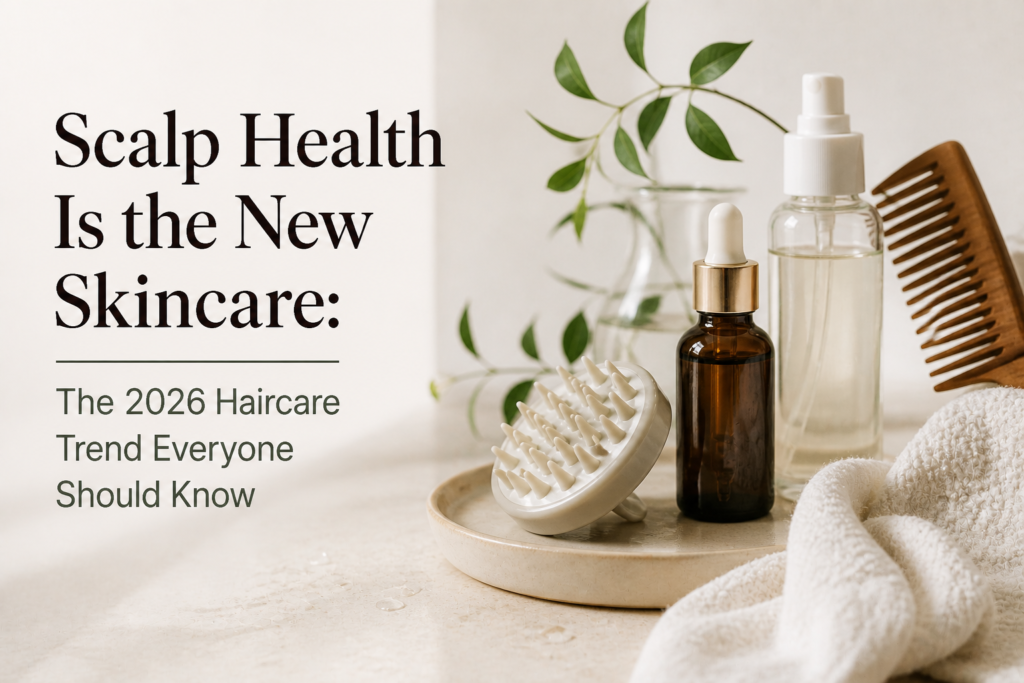
But in 2026, the conversation around haircare is changing.
Instead of only focusing on the hair itself, people are finally paying attention to the scalp. Beauty experts, dermatologists, and wellness professionals are all saying the same thing: healthy hair starts with a healthy scalp.
This is why scalp health is becoming one of the biggest beauty and wellness trends of the year.
Just like skincare taught us that glowing skin begins with a strong skin barrier and proper hydration, modern haircare is teaching us that strong, healthy hair begins at the roots. The scalp is no longer being ignored. It is now treated with the same care and attention as facial skin.
This shift is often called the “skinification” of haircare, and it is changing the way people think about their routines.
Why Scalp Health Matters
Many people forget that the scalp is skin.
It has oil glands, hair follicles, a protective barrier, and even its own microbiome. It reacts to stress, pollution, weather, harsh products, and poor lifestyle habits just like the skin on your face does.
When the scalp is unhealthy, the signs often show up quickly.
Some of the most common problems include:
- Hair fall
- Itching
- Dandruff
- Excess oil
- Dryness
- Irritation
- Product buildup
- Weak roots
- Slow hair growth
- Dull and lifeless hair
A lot of people try to fix these issues by using stronger shampoos or expensive styling products, but that usually only treats the surface problem.
Think of it this way: if your facial skin is dry and irritated, applying makeup will not solve the issue. You need to care for the skin itself. The same idea applies to your scalp.
When the scalp is balanced and healthy, hair naturally becomes stronger, shinier, and easier to manage.
The Growing Focus on the Scalp Microbiome
One of the biggest reasons scalp care is becoming so popular is the growing awareness of the scalp microbiome.
The scalp naturally contains good bacteria and fungi that help protect it and keep it balanced. This healthy environment supports strong hair growth and prevents irritation.
But things like harsh shampoos, excessive washing, pollution, sweat, dandruff, and heavy product buildup can disturb that balance.
When that happens, inflammation can develop around the hair follicles. This may lead to itchiness, flakes, increased shedding, and weaker hair over time.
This is why experts now say that before focusing on hair growth, you should first focus on scalp health.
You cannot grow strong hair in an unhealthy environment.
What “Skinification” of Haircare Really Means
The word “skinification” may sound trendy, but the idea is actually simple.
It means treating your scalp the same way you treat your skin.
Instead of choosing products only based on fragrance or shine, people are asking smarter questions like:
- Is this shampoo gentle on my scalp?
- Does it protect my scalp barrier?
- Will it dry out my roots?
- Does it help with irritation?
- Is it pH balanced?
- Does it support a healthy scalp environment?
This is why skincare ingredients are now showing up in haircare products.
Some of the most popular scalp-care ingredients in 2026 include:
- Niacinamide
Niacinamide helps calm inflammation and strengthen the scalp barrier. It is especially helpful for people dealing with dryness, irritation, or sensitivity.
- Hyaluronic Acid
This ingredient is known for hydration. It helps dry, flaky scalps feel softer and more comfortable without making hair greasy.
- Ceramides
Ceramides support barrier repair and help the scalp hold moisture better.
- Salicylic Acid
This is useful for gentle exfoliation. It helps remove flakes, oil, and buildup without harsh scrubbing.
- Peptides
Peptides are often used in scalp serums to support stronger roots and healthier hair growth.
- Rosemary and Caffeine
These ingredients are popular in treatments designed to improve scalp circulation and support hair density.
People today want products that do more than just smell nice. They want formulas that actually solve problems.
Scalp Serums Are Becoming Everyday Essentials
Face serums changed skincare routines, and now scalp serums are doing the same for haircare.
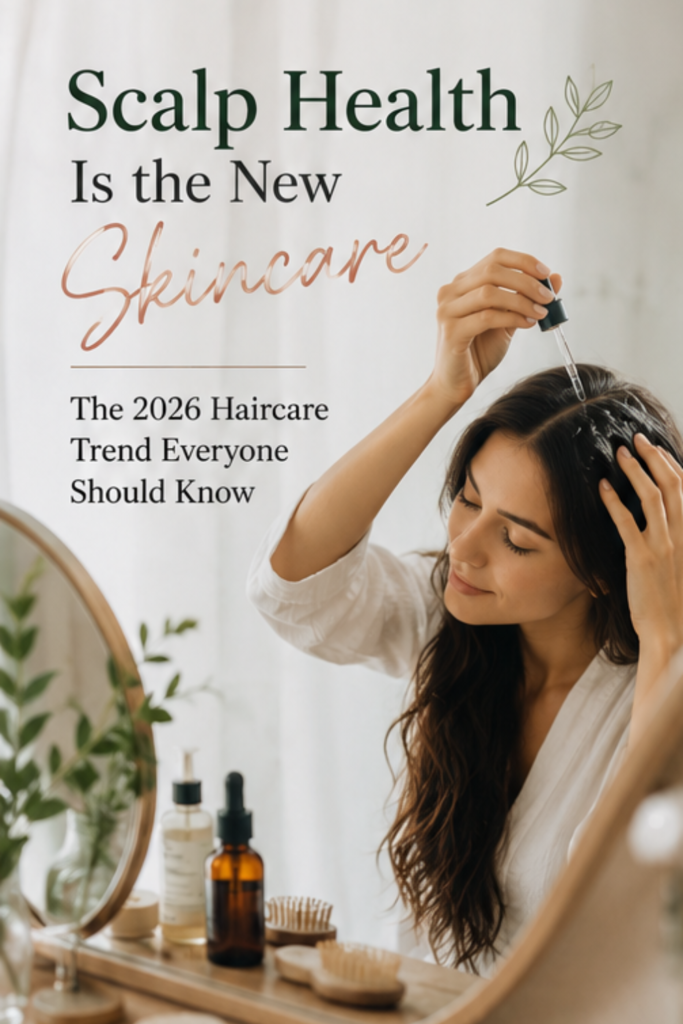
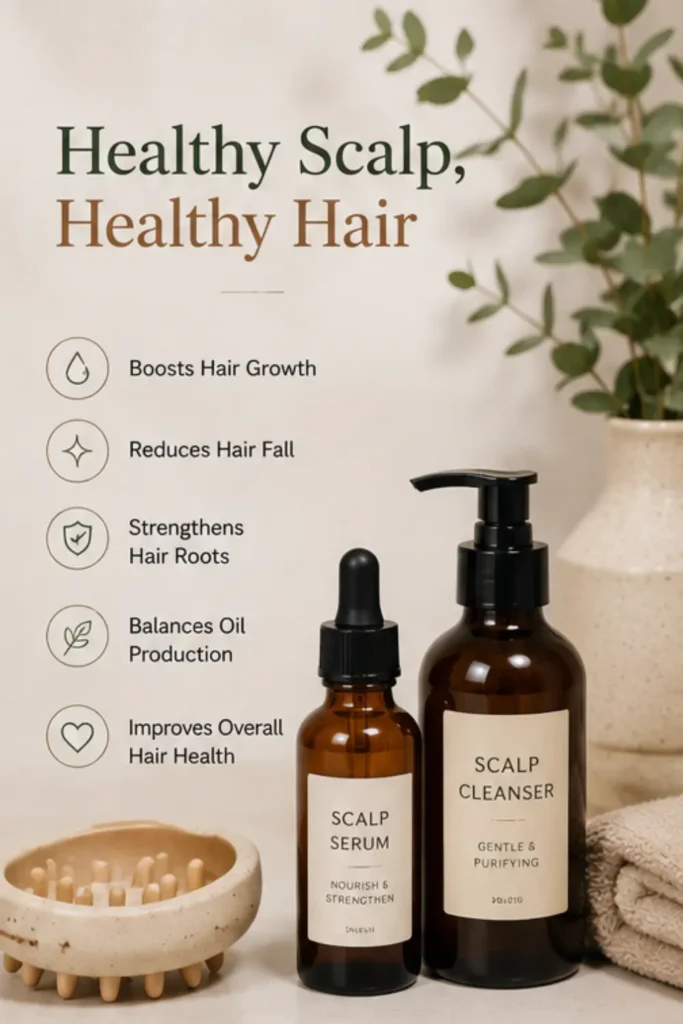
In 2026, scalp serums and tonics are becoming must-have products, especially for people dealing with hair thinning, dryness, irritation, or sensitivity.
These treatments are lightweight and designed to be left on the scalp. They absorb quickly, deliver active ingredients directly to the roots, and support long-term scalp health.
Unlike heavy oils, they do not leave the hair feeling greasy or weighed down.
Many people now use scalp serums the same way they use vitamin C or hyaluronic acid on their face. It is not just for fixing problems. It is for prevention and maintenance.
This is one of the biggest mindset shifts happening in beauty right now.
Scalp Exfoliation Is Replacing Overwashing
For years, many people believed that washing hair every day meant having a healthier scalp.
But overwashing can actually create more problems.
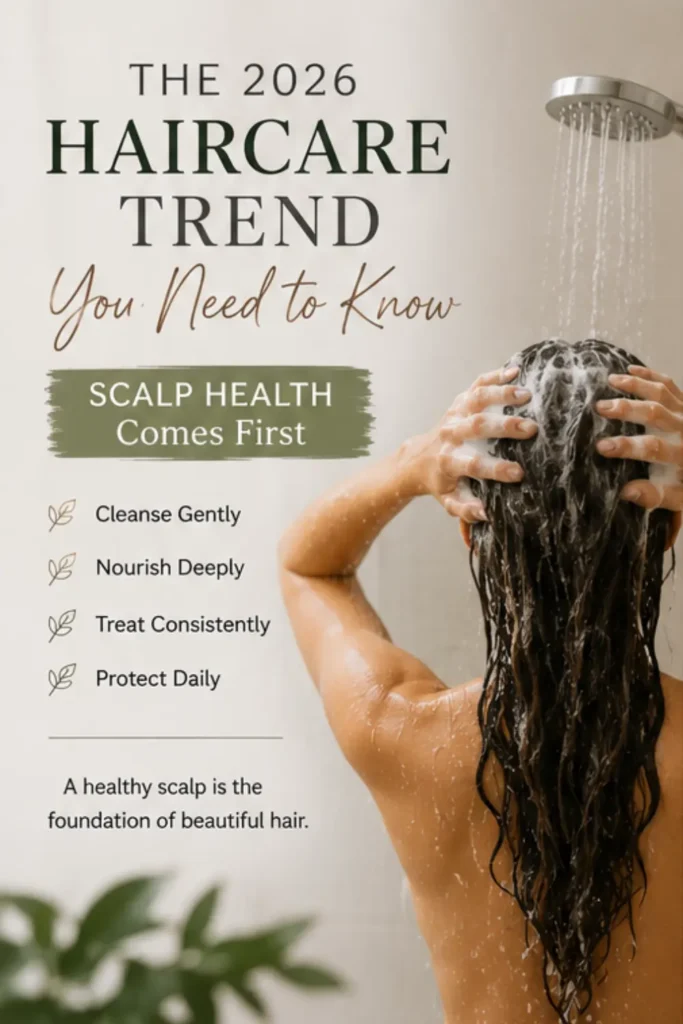
It can strip natural oils, weaken the scalp barrier, and even trigger the scalp to produce more oil. This often leads to a cycle of greasiness, dryness, and irritation.
Instead of overwashing, people are now focusing on gentle scalp exfoliation.
This may include:
- Mild scalp scrubs
- Clarifying treatments
- Gentle chemical exfoliants
- Detox masks
- Soft scalp brushes
The goal is not to aggressively clean the scalp. The goal is to remove buildup while keeping the scalp balanced and calm.
Healthy cleansing should feel supportive, not harsh.
Haircare Is Becoming Preventive
Another reason scalp care is trending is because people are thinking long-term.
Instead of waiting until serious hair fall begins, they are treating scalp care as preventive wellness.
This is similar to how people use sunscreen to protect their skin before damage happens.
Now, people are investing in:
- UV protection for scalp and hair
- Heat protection
- Pollution defense
- Hard-water protection
- Better sleep habits
- Stress management
- Nutrition for hair health
- Consistent scalp routines
The focus has shifted from “How do I fix damaged hair?” to “How do I protect my hair for the future?”
That is a much healthier approach.
Traditional Hair Rituals Are Coming Back
Interestingly, this trend is not completely new.
Practices like hair oiling, scalp massage, herbal treatments, and Ayurvedic scalp care have existed for generations.
What is changing in 2026 is the way people approach them.
Instead of following random trends from social media, people are becoming more intentional and personalized with these routines.
For example, hair oiling can be helpful for some people, but not every scalp needs heavy oil. Someone with a dry scalp may benefit from it, while someone with dandruff or excess oil may need a different approach.
The same goes for scalp massage, herbal masks, and home remedies.
People are learning that scalp care should be based on their actual needs, not viral advice.
There is no universal solution.
How to Build a Scalp-First Routine
The good news is that you do not need a complicated 10-step routine.
A simple and consistent scalp routine is often enough.
Step 1: Choose a Gentle Shampoo
Pick a shampoo that cleans without making your scalp feel tight or dry.
Step 2: Exfoliate Once a Week
Use a mild clarifying treatment to remove buildup and flakes.
Step 3: Use a Scalp Serum
Choose one based on your concern, whether that is dryness, sensitivity, thinning, or excess oil.
Step 4: Protect Your Scalp
Heat styling and sun exposure can damage the scalp too, so protection matters.
Step 5: Support Your Health Internally
Stress, poor sleep, dehydration, and poor nutrition all affect scalp health more than people realize.
Consistency matters more than having too many products.
Final Thoughts:
The biggest beauty lesson of 2026 is simple: your scalp deserves care too.
Healthy hair is not just about shine or smoothness. It starts much deeper than that.
When your scalp is calm, balanced, and properly nourished, your hair becomes stronger, healthier, and more resilient over time.
Scalp care is no longer just a salon treatment or a luxury beauty trend. It is becoming part of everyday wellness.
Just like skincare changed the way we think about beauty by putting health first, scalp care is now doing the same for haircare.
And in 2026, that is the trend everyone should know.