
If you have spent even a few minutes on skincare TikTok, dermatologist Instagram pages, or beauty forums lately, you have probably heard one phrase repeated again and again: repair your skin barrier first.
For years, skincare trends focused on stronger actives, faster exfoliation, and instant glow results. People layered acids, retinol, vitamin C, scrubs, and peels, often all in the same week. The result was skin that looked irritated instead of radiant.
Now, the conversation has shifted.
In 2026, dermatologists are increasingly recommending barrier-first skincare, a gentler, science-backed approach that prioritizes restoring the skin’s natural protective layer before chasing acne treatments, anti-aging solutions, or brightening results.
But what exactly is the skin barrier, why does it matter so much, and how do you know if yours needs repair?
Let’s break it down.
What Is the Skin Barrier?
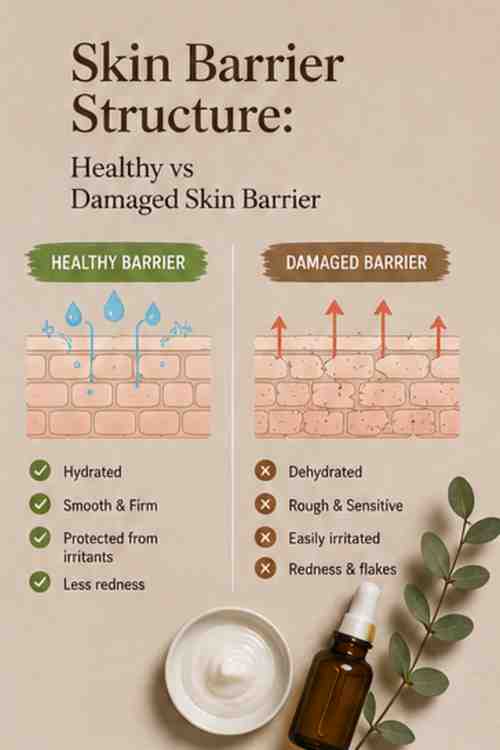
Your skin barrier is the outermost layer of your skin, known scientifically as the stratum corneum.
Think of it like a brick wall.
The skin cells are the bricks.
Lipids like ceramides, cholesterol, and fatty acids are the mortar.
Together, they create a protective shield that keeps moisture in and harmful irritants out. This barrier helps prevent water loss, protects against pollution, allergens, bacteria, and environmental stressors, and supports healthy, balanced skin.
When your skin barrier is healthy, your skin feels calm, smooth, hydrated, and resilient.
When it is damaged, everything changes.
Signs Your Skin Barrier May Be Damaged
Many people assume they suddenly have sensitive skin, when in reality, they may simply have a compromised barrier.
Common warning signs include:
- Tightness after cleansing
- Redness or flushing
- Stinging when applying skincare
- Dry patches and flaking
- Increased breakouts
- Rough texture
- Burning after using products you previously tolerated
- Oily but dehydrated skin
- Persistent irritation
Many of these symptoms show up when the skin can no longer hold onto moisture properly or protect itself from everyday irritants.
A lot of people only realize this after months of trying stronger products. They think they need more treatment, when what they actually need is less.
It is common to hear people say they thought they had sensitive skin for years, only to later discover they had simply overworked and over-exfoliated their skin.
Why Barrier-First Skincare Is Trending
Barrier repair is not just another beauty buzzword. It is a response to a real problem created by years of over-treatment.
Modern skincare culture often encouraged people to believe that stronger meant better. More acids, stronger retinol, more exfoliation, and complicated 10-step routines became normal.
But dermatologists are now pushing back.
Consumers are moving away from aggressive routines and focusing instead on long-term skin health and prevention. Simple regimens with mild cleansers, ceramides, and barrier-repair ingredients are becoming the new standard.
This shift reflects a bigger truth:
Healthy skin responds better to everything else.
If your barrier is damaged, even the best anti-aging serum or acne treatment can cause irritation instead of improvement.
That is why many dermatologists now recommend fixing the barrier before introducing stronger active ingredients like retinol, AHAs, BHAs, or prescription treatments.
What Causes Barrier Damage?
Most barrier damage happens slowly through everyday habits.
The most common causes include:
- Over-Exfoliation
Too many scrubs, acids, peels, or exfoliating toners can strip away the skin’s protective lipids.
- Harsh Cleansers
Foaming cleansers with strong sulfates or high-pH formulas can disrupt the skin’s natural balance and weaken the barrier.
- Too Many Active Ingredients
Layering retinol, vitamin C, salicylic acid, niacinamide, and exfoliating acids without balance can overwhelm the skin.
- Hot Showers
Excessive heat removes natural oils and increases dryness.
- Environmental Stress
Pollution, UV rays, cold weather, dry air, and hard water all contribute to barrier disruption.
- Skipping Moisturizer
Especially for oily skin types, avoiding moisturizer can worsen dehydration and trigger even more oil production.
- Over-Washing
Cleansing too frequently strips the skin of protective oils and increases sensitivity.
Sometimes the issue is not what you are missing. It is what you are doing too much.
The Best Ingredients for Skin Barrier Repair
Not every product labeled barrier repair is truly helpful. The best formulas focus on ingredients that support the skin’s natural structure.
Here are some of the most effective ones:
- Ceramides
Ceramides are essential lipids naturally found in the skin. They help seal moisture in and strengthen the protective barrier.
- Cholesterol
This works alongside ceramides and fatty acids to restore the skin’s lipid balance.
- Fatty Acids
These help rebuild the skin’s protective layer and improve softness and resilience.
- Glycerin
A powerful humectant that attracts water into the skin and helps maintain hydration.
- Panthenol (Vitamin B5)
This ingredient hydrates, soothes irritation, and supports healing.
- Niacinamide
When used in moderate amounts, niacinamide helps improve barrier function and supports ceramide production.
- Colloidal Oatmeal
Excellent for calming inflammation and soothing reactive skin.
- Urea
Helps improve hydration and supports moisture retention.
These ingredients are especially useful when your skin feels irritated, dry, or unusually reactive.
How to Repair Your Skin Barrier
Barrier repair is not about buying more products. In most cases, it is about doing less and being more consistent.
Here is a simple reset approach many dermatologists recommend.
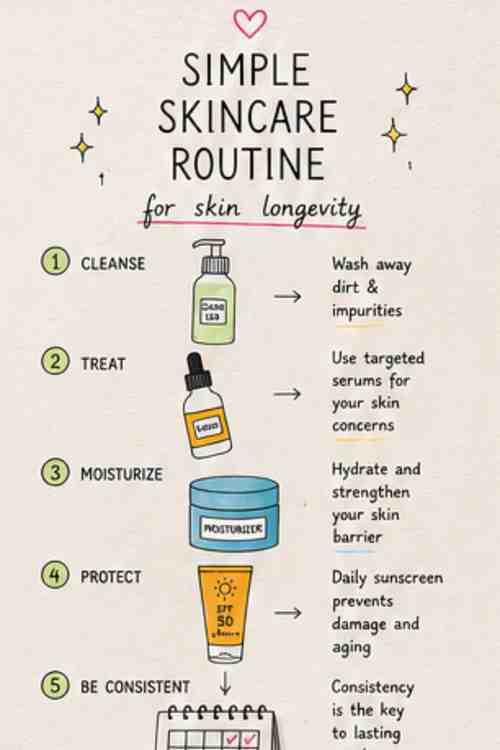
Step 1: Simplify Your Routine
Temporarily pause strong actives like:
- Retinol
- AHAs and BHAs
- Physical scrubs
- High-strength vitamin C
- Strong acne treatments
Your skin needs recovery time, not more stimulation.
Step 2: Use a Gentle Cleanser
Choose a fragrance-free, low-foam cleanser that cleans without leaving your skin feeling tight.
If your face feels squeaky clean after washing, the cleanser is often too harsh.
Step 3: Moisturize Consistently
Use a moisturizer with ceramides, lipids, and humectants.
Apply it to slightly damp skin to help lock in hydration.
Barrier creams can be especially helpful at night because they reduce moisture loss and support the skin’s natural repair process while you sleep.
Step 4: Never Skip Sunscreen
UV exposure damages the barrier, increases inflammation, and slows healing.
Daily broad-spectrum SPF should be a non-negotiable part of your routine.
Step 5: Reintroduce Actives Slowly
Once your skin feels stable again, reintroduce active ingredients one at a time and gradually.
The goal is not to avoid actives forever. It is to use them without damaging your foundation.
Many people notice the biggest improvement when they stop searching for products that aggressively fix everything and start choosing products that allow the skin to function normally on its own.
That small mindset shift can make a huge difference.
Is Barrier Repair Becoming a Buzzword?
Yes, and it is important to talk about that honestly.
Not every breakout, dry patch, or bad skin day means your barrier is damaged. Hormonal acne, melasma, rosacea, and other skin concerns may have completely different causes.
Barrier health matters, but it should not be used as a catch-all explanation for every problem.
The smartest approach is balance.
Understand the importance of your barrier, but do not assume every issue can be solved with a ceramide cream.
Sometimes you need barrier repair.
Sometimes you need a dermatologist.
Often, you need both.
Conclusion:
The reason everyone is talking about barrier-first skincare is simple.
People are realizing that healthy skin is not built through aggressive correction. It is built through protection, consistency, and patience.
Your skin barrier is not a trend. It is your skin’s foundation.
Before chasing brighter skin, clearer skin, or younger-looking skin, ask yourself:
Is my skin actually healthy enough to handle it?
Because when the barrier is strong, everything else works better.
And sometimes, the best skincare routine is not the most powerful one.
It is the gentlest one.