
Most people are tired sometimes. A late night, a busy week, or emotional stress can easily drain your energy. But what happens when that tiredness doesn’t really go away—even after rest?

Doctors and health experts are increasingly pointing out that constant fatigue is often brushed off as “normal life,” when in reality, it may be a sign that something in the body or mind is out of balance.
And while it’s tempting to push through it with caffeine or willpower, ongoing exhaustion deserves more attention than it usually gets.
When Tired Stops Being “Normal”
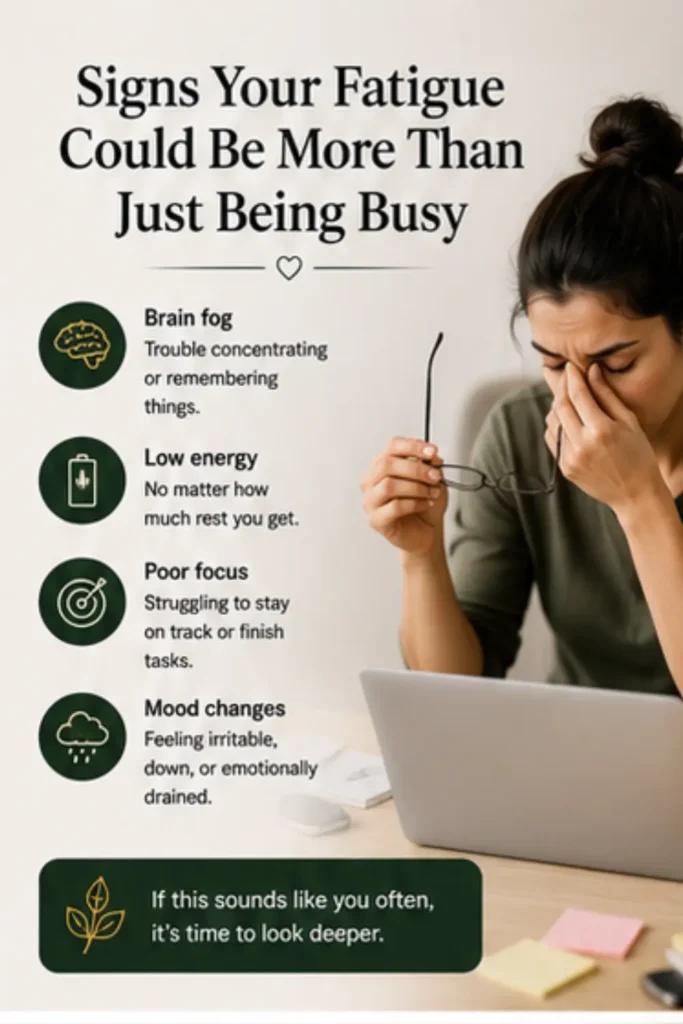
There’s a difference between feeling tired and feeling persistently drained.
Normal tiredness usually has a clear cause—you stayed up late, worked hard, or traveled—and once you rest, you feel better again.
But persistent fatigue feels different. People often describe it as:
- Waking up already exhausted
- Feeling like energy never fully “returns”
- Struggling to focus even on simple tasks
- Needing much more effort to get through the day than before
When fatigue becomes your baseline rather than an occasional feeling, it’s often a signal rather than just a lifestyle consequence.
Why So Many People Ignore It
One of the reasons constant fatigue is so overlooked is because modern life almost expects it. Long work hours, screen time, stress, and irregular sleep patterns have made being “always tired” feel normal.
But healthcare professionals caution against this mindset. The body doesn’t adapt endlessly to exhaustion without consequences. When energy levels stay low for too long, it can start affecting nearly every system—mental clarity, immunity, emotional stability, and physical health.
In other words, fatigue isn’t just about feeling sleepy. It often reflects what’s happening underneath the surface.
What Could Be Behind Constant Fatigue?
There isn’t one single reason people feel constantly drained. In most cases, it’s a mix of physical, psychological, and lifestyle factors.
1. Sleep that isn’t truly restorative
Even if you’re spending enough hours in bed, the quality of sleep matters just as much as quantity. Conditions like sleep apnea or chronic insomnia can interrupt deep sleep without you fully realizing it. The result is waking up unrefreshed, even after a full night.
2. Nutrient deficiencies
Low levels of certain nutrients can quietly drain energy over time. Iron deficiency (often linked with anemia), low vitamin B12, and vitamin D deficiency are commonly associated with ongoing tiredness. Many people don’t notice these until fatigue becomes persistent.
3. Stress and emotional strain
Stress doesn’t just affect the mind—it affects the body’s energy systems too. When stress becomes constant, the body stays in a heightened state of alert, which slowly burns out energy reserves.
Over time, anxiety, depression, or burnout can show up more as physical exhaustion than emotional symptoms.
4. Hidden health conditions
Sometimes fatigue is the first noticeable symptom of an underlying medical issue. Thyroid imbalances, diabetes, chronic infections, and autoimmune conditions are all known to present with ongoing tiredness in early stages.
Because these conditions don’t always show obvious signs at first, fatigue can easily be dismissed until it becomes more severe.
5. Lifestyle patterns that quietly drain energy
Small daily habits add up more than most people realize. Skipping movement, relying heavily on caffeine or sugar, inconsistent sleep schedules, and dehydration can all contribute to feeling constantly low on energy.
Individually they may seem harmless, but together they can create a cycle of exhaustion that’s hard to break.

When It’s Time to Pay Attention
Experts suggest not ignoring fatigue if it:
- Lasts longer than a few weeks without improvement
- Interferes with your ability to function normally
- Comes with unexplained changes in weight, mood, or appetite
- Persists even after good sleep and rest
- Feels progressively worse over time
At that point, it’s less about lifestyle and more about understanding what your body might be trying to signal.
What Actually Helps
There’s no instant fix for chronic fatigue, especially if the cause is medical or emotional. But certain changes can help support recovery and energy balance.
Improving sleep consistency, eating more nutrient-rich meals, staying hydrated, and adding gentle movement to your day can all make a difference over time.
Just as important is managing stress in realistic ways—whether that means slowing down your schedule, setting boundaries, or simply allowing proper recovery time.
And if fatigue continues, medical testing is important. Simple blood work can often reveal deficiencies or conditions that are easy to treat once identified.
Listening to What Your Body Is Saying
One of the most important things to understand about fatigue is that it’s rarely random. It’s usually a response—sometimes to lifestyle, sometimes to stress, and sometimes to something medical that hasn’t been discovered yet.
In today’s world, where being busy is often worn like a badge of honor, tiredness gets normalized too easily. But your body is constantly communicating with you, and persistent fatigue is one of its clearest signals that something needs attention.

Final Thoughts
Feeling tired once in a while is part of life. But feeling drained all the time is not something to simply accept or ignore.
Whether the cause is sleep, stress, nutrition, or an underlying health issue, long-term fatigue deserves attention—not adaptation.
Because energy isn’t just about productivity. It’s one of the clearest indicators of overall health—and when it changes, it’s worth listening to.