
Nail fungus is one of those health issues that many people hesitate to talk about, yet it affects millions worldwide. What often starts as a small white or yellow spot under a toenail can gradually turn into a stubborn infection that changes the appearance, texture, and strength of the nail. Left untreated, nail fungus can spread, cause discomfort, and significantly impact confidence, especially during sandal season or social situations where feet are visible.
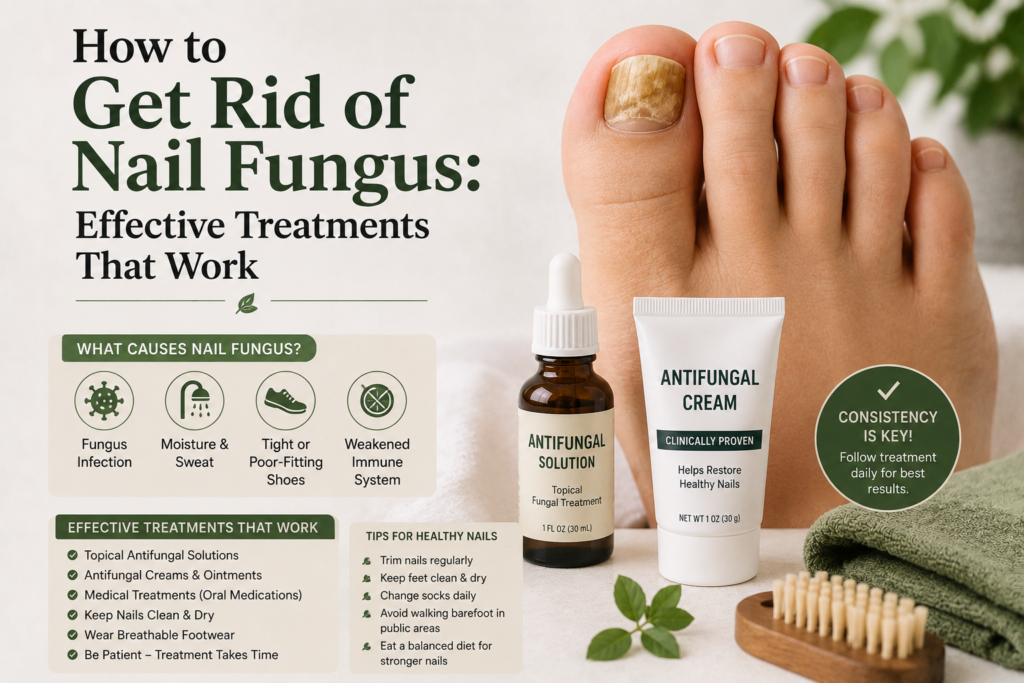
The challenge with nail fungus is that it rarely goes away on its own. Because the infection lives beneath the nail surface, it can be difficult to reach and eliminate completely. This is why many people spend months trying various remedies with little success.
The good news is that modern treatments have improved significantly, and there are several proven ways to get rid of nail fungus. Understanding what causes the infection, which treatments are backed by science, and how to prevent recurrence can make a major difference in achieving healthy, clear nails.
Understanding Nail Fungus
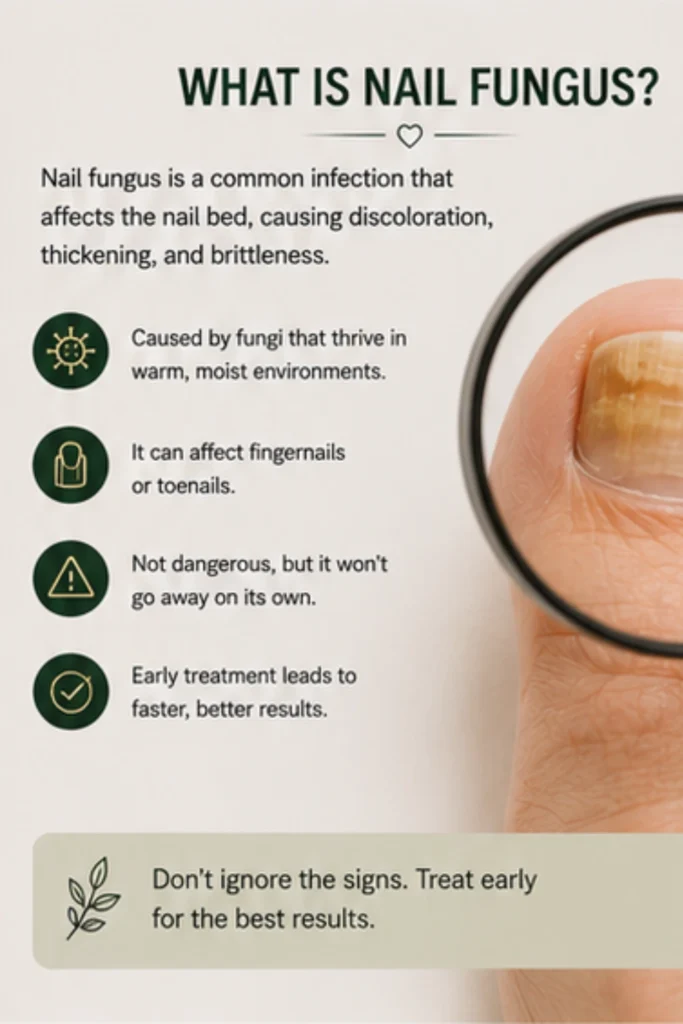
Nail fungus, known medically as onychomycosis, is a fungal infection that affects the fingernails or toenails. Although fingernail infections occur, toenails are affected far more frequently because they spend most of the day in warm, dark, and often moist environments inside shoes—conditions that fungi thrive in.
Several types of fungi can cause nail infections, but dermatophytes are responsible for most cases. These microscopic organisms feed on keratin, the protein that forms nails, skin, and hair. Once they gain access beneath the nail, they can multiply and gradually damage the nail structure.
The infection often develops slowly, which means many people do not notice it until significant changes have already occurred.
Signs and Symptoms of Nail Fungus
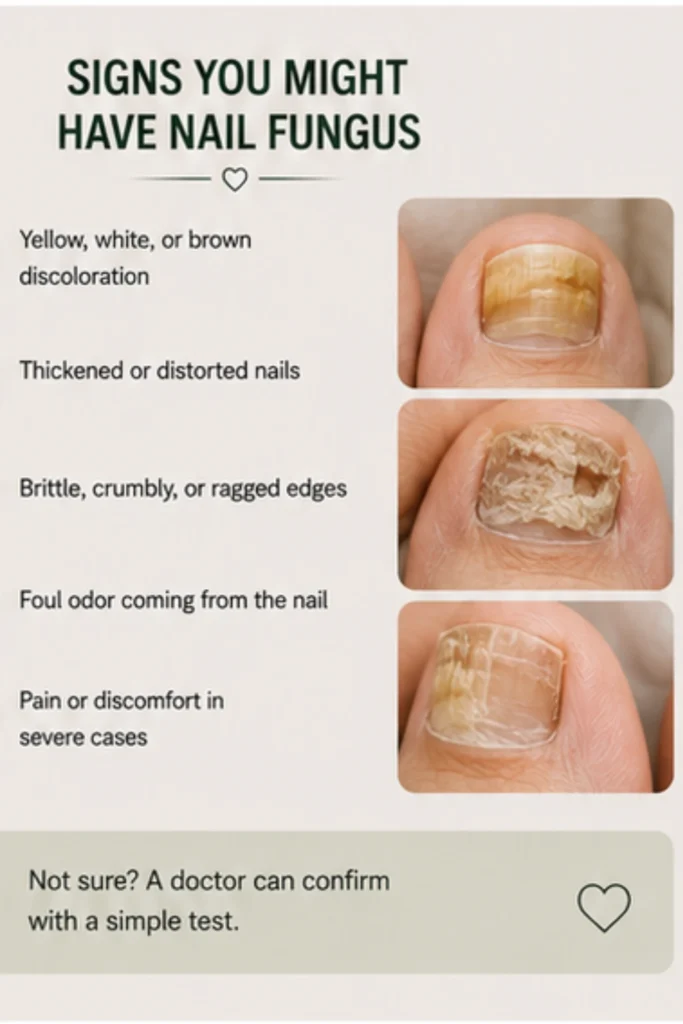
The symptoms of nail fungus can vary depending on the severity of the infection, but common warning signs include:
- White, yellow, or brown discoloration of the nail
- Thickening of the nail plate
- Brittle, cracked, or crumbly nails
- Distorted nail shape
- Separation of the nail from the nail bed
- A dull or cloudy appearance
- Debris buildup underneath the nail
- Mild pain or discomfort in advanced cases
As the infection progresses, the nail may become increasingly difficult to trim and maintain. In severe situations, walking, exercising, or wearing shoes may become uncomfortable.
Because other nail conditions such as psoriasis, trauma, and bacterial infections can resemble fungal infections, obtaining a proper diagnosis is often important before starting treatment.
Why Nail Fungus Develops
Fungal organisms are present in many everyday environments. Most people come into contact with them regularly without developing an infection. However, certain factors increase the likelihood of fungi entering the nail and multiplying.
Some of the most common risk factors include:
1. Aging
Older adults are more susceptible to nail fungus because nails become thicker and more brittle with age. Reduced blood circulation and slower nail growth can also make infections harder to prevent and eliminate.
2. Excessive Sweating
People who sweat heavily often create an environment where fungi can flourish. Moisture trapped inside shoes provides ideal conditions for fungal growth.
3. Walking Barefoot in Public Areas
Locker rooms, swimming pools, public showers, and gym floors are common places where fungal organisms are found. Walking barefoot in these environments increases exposure.
4. Existing Foot Conditions
Athlete’s foot and other fungal skin infections can easily spread to the toenails if left untreated.
5. Medical Conditions
Individuals with diabetes, circulation problems, weakened immune systems, or chronic health conditions may face a higher risk of developing nail fungus.
6. Nail Trauma
Even minor injuries can create tiny openings that allow fungi to penetrate the nail and establish an infection.
Why Treating Nail Fungus Can Be Challenging
One reason nail fungus is notoriously difficult to cure is the location of the infection. Unlike a skin infection that can be treated directly on the surface, nail fungus often lives beneath the nail plate.
The nail acts as a protective barrier, making it difficult for medications to reach the fungus effectively. Additionally, nails grow slowly, particularly toenails. Even after the fungus has been eliminated, it can take many months for healthy nail growth to replace the damaged nail.
This slow healing process often leads people to believe treatments are not working when, in reality, they simply need more time.
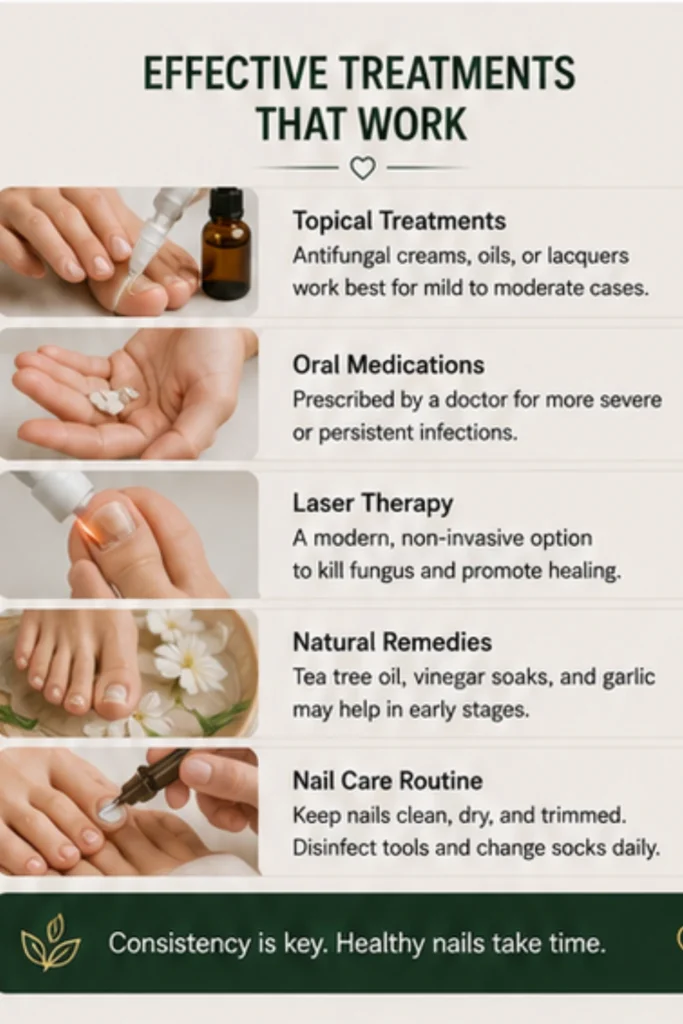
The Most Effective Treatments for Nail Fungus
When it comes to treating nail fungus, scientific evidence clearly shows that some options are more effective than others.
1. Oral Antifungal Medications
For moderate to severe infections, oral antifungal medications remain the gold standard treatment.
Commonly prescribed medications include:
- Terbinafine
- Itraconazole
- Fluconazole
These medications work from within the body, reaching the infected nail through the bloodstream and targeting the fungus at its source.
Among available treatments, terbinafine consistently demonstrates the highest cure rates in clinical studies. Many dermatologists consider it the first-line treatment for extensive nail fungus because of its proven effectiveness.
Treatment usually lasts several weeks, but visible improvement may not become apparent until healthy nail growth begins replacing the damaged portions.
While oral medications are highly effective, they may not be suitable for everyone. Individuals with liver disease or those taking certain medications may require alternative approaches.
2. Prescription Topical Treatments
Topical treatments have evolved significantly in recent years.
Modern prescription options include:
- Efinaconazole
- Tavaborole
- Ciclopirox
These products are applied directly to the nail and surrounding area. They work best when the infection is caught early and has not penetrated deeply into the nail structure.
Although topical therapies generally have lower cure rates than oral medications, they offer advantages for people who cannot take systemic medications or who have mild infections involving only a small portion of the nail.
The key to success with topical treatment is consistency. Daily application over several months is usually required.
3. Professional Nail Debridement
Many healthcare providers recommend combining medication with professional nail debridement.
Debridement involves trimming, filing, and thinning thickened nails. This process helps reduce fungal load while allowing medications to penetrate more effectively.
For individuals with severely thickened nails, debridement can also improve comfort and make routine nail care easier.
4. Laser Therapy
Laser treatment has become increasingly popular as a non-drug approach to nail fungus management.
The procedure uses concentrated light energy to target fungal organisms beneath the nail without damaging surrounding tissue.
Some patients experience noticeable improvement following laser treatment, particularly when it is combined with other therapies. However, scientific evidence remains mixed, and outcomes can vary between individuals.
Because laser therapy is often considered cosmetic, insurance coverage may be limited, making it a more expensive option than traditional treatments.
5. Nail Removal for Severe Cases
In rare situations where the infection is extensive, painful, or resistant to treatment, partial or complete nail removal may be considered.
Removing the infected nail can allow direct access to the nail bed and improve the effectiveness of topical medications.
Although this option sounds intimidating, it is generally reserved for severe cases where other treatments have failed.
Do Over-the-Counter Products Really Work?
Drugstores are filled with creams, liquids, and antifungal products that promise to eliminate nail fungus. While some over-the-counter treatments may help mild infections or improve nail appearance, most struggle to penetrate deeply enough to cure established fungal infections.
This does not mean they are useless. Certain products can help slow progression, reduce symptoms, and support professional treatment plans. However, people with moderate or severe infections should have realistic expectations regarding their effectiveness.
What About Natural Remedies?
Home remedies for nail fungus have become extremely popular online. Tea tree oil, vinegar soaks, oregano oil, garlic extracts, and menthol-based ointments are among the most commonly recommended options.
Many of these substances possess natural antifungal properties in laboratory settings. However, laboratory activity does not necessarily translate into reliable clinical results.
While some people report improvement using natural remedies, scientific studies generally show inconsistent outcomes. Home remedies may offer support in mild cases, but they are unlikely to match the effectiveness of prescription antifungal treatments for established infections.
Those who choose to use natural remedies should view them as complementary measures rather than guaranteed cures.
How Long Does Treatment Take?
Patience is one of the most important aspects of nail fungus treatment.
Even when treatment successfully eliminates the fungus, damaged nail tissue cannot be repaired instantly. Instead, healthy nail growth must gradually replace the affected portion.
Typical recovery timelines include:
- Fingernails: approximately four to six months
- Toenails: approximately nine to eighteen months
Factors such as age, circulation, overall health, and infection severity can influence healing speed.
The absence of immediate cosmetic improvement does not necessarily mean treatment has failed. Consistent progress over time is often a better indicator of success.
Preventing Nail Fungus from Returning
Recurrence is one of the biggest frustrations associated with nail fungus. Even after successful treatment, reinfection can occur if preventive measures are not maintained.
To reduce your risk:
- Keep feet clean and thoroughly dry.
- Change socks daily.
- Wear breathable footwear.
- Alternate shoes to allow them to dry completely.
- Use antifungal powder if you sweat heavily.
- Avoid sharing nail clippers or foot care tools.
- Wear sandals in public locker rooms and showers.
- Treat athlete’s foot promptly.
- Disinfect shoes regularly.
- Keep nails trimmed and clean.
These simple habits can dramatically reduce the chances of another infection developing.
When Should You See a Doctor?
Many people delay seeking professional care because they assume nail fungus is only a cosmetic issue. However, medical evaluation is advisable if:
- The infection continues to spread.
- Multiple nails become affected.
- Pain develops.
- The nail becomes severely thickened.
- Home treatments fail to improve symptoms.
- You have diabetes or circulation problems.
Early treatment generally leads to better outcomes and may prevent complications that become more difficult to manage later.
Final Thoughts
Nail fungus is far more than a cosmetic concern. It is a common medical condition that can affect comfort, confidence, and overall foot health. While the infection can be persistent, today’s treatment options offer a strong chance of success when used appropriately.
Among available therapies, prescription antifungal medications continue to provide the highest cure rates, particularly for moderate and severe infections. Topical treatments, professional nail care, and laser therapy may also play valuable roles depending on the individual situation.
The most important thing to remember is that treating nail fungus requires patience. There are no instant cures, and healthy nails take time to grow. With the right treatment strategy, consistent care, and preventive habits, most people can successfully overcome nail fungus and enjoy healthier, clearer nails once again.