
In a world that celebrates productivity, hustle, and constant connectivity, sleep often becomes the first thing people sacrifice and the first thing they desperately try to fix when energy, focus, or health begin to decline.
Yet sleep is not simply a period of rest. It is one of the most sophisticated recovery systems built into the human body. Every night, while you sleep, your brain processes information, your muscles repair microscopic damage, your hormones reset, your immune system strengthens, and your nervous system shifts into recovery mode.
And still, despite having access to smart watches, sleep tracking apps, calming playlists, blue-light glasses, magnesium supplements, and countless bedtime routines, millions of people wake up feeling exhausted.
Why Is It So?
Because truly restorative sleep does not come from trends, shortcuts, or expensive gadgets. It comes from understanding how your body is naturally designed to sleep and then creating habits that support that biology.
As we move through 2026, sleep science continues to confirm something surprisingly simple. Better sleep is less about doing more and more about doing the right things consistently.
This guide explores the most effective, science-backed strategies to help you fall asleep faster, sleep deeper, and wake up feeling genuinely restored. If your main goal is to improve deep sleep specifically, you may also find our guide helpful: How to Increase Deep Sleep Naturally: 15 Science-Backed Strategies.
Why Quality Sleep Matters More Than Ever
Most people notice the immediate effects of poor sleep.
After a rough night, concentration feels harder. Patience becomes thinner. Cravings increase. Motivation drops. Even small tasks can feel mentally heavier.
But what happens beneath the surface is even more important.
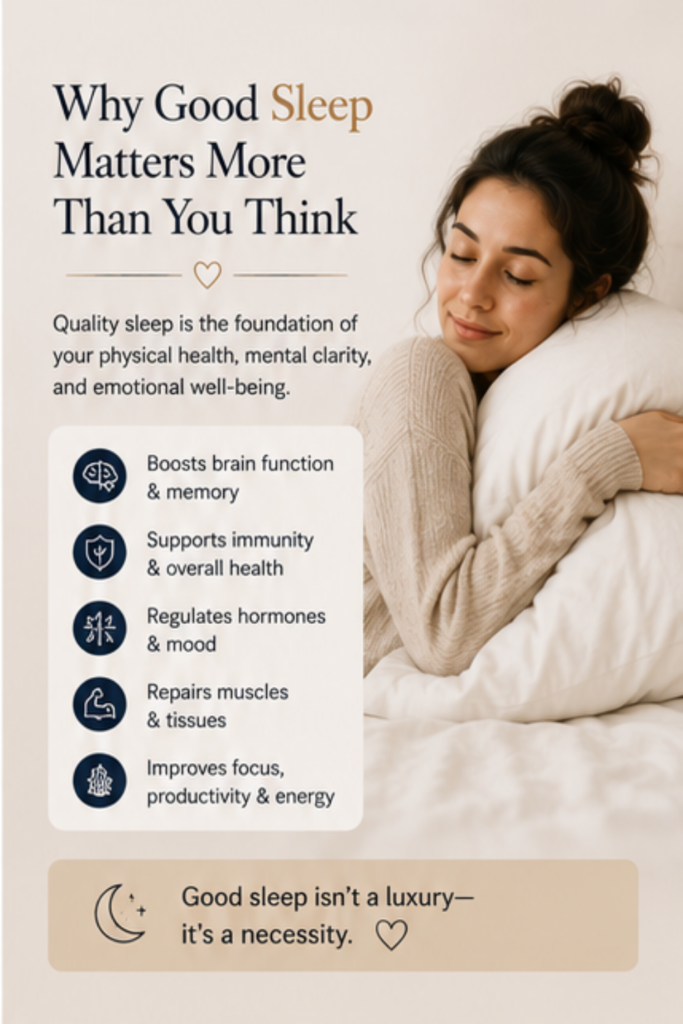
Sleep plays a central role in nearly every major biological system. During sleep, your brain organizes and stores memories. Your muscles recover from physical stress. Your body regulates blood sugar, inflammation, hormone production, and cellular repair.
This is why poor sleep does not just make you feel tired. Over time, it can influence mood, metabolism, immunity, cardiovascular health, recovery from exercise, and even long-term cognitive performance.
In other words, sleep is not simply recovery from the day.
It is preparation for everything that comes next.
Understanding What Happens While You Sleep
One of the biggest misconceptions about sleep is that it is a passive process.
In reality, your body is incredibly active throughout the night.
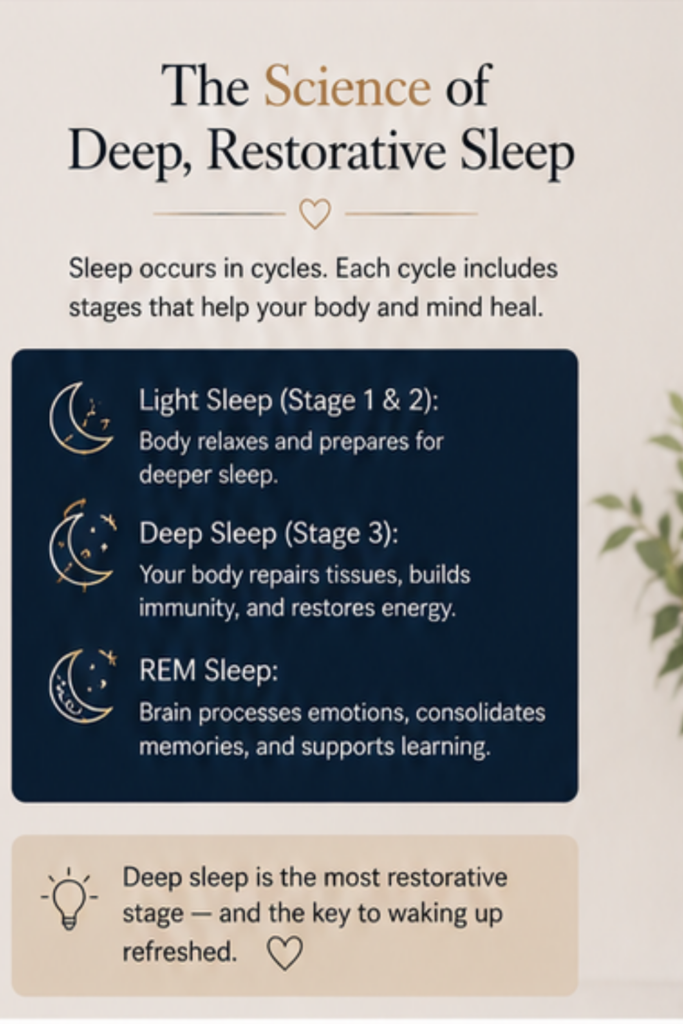
A healthy night of sleep moves through several repeating cycles, each serving a specific purpose.
Light Sleep
This is where the body begins shifting from wakefulness into rest. Heart rate slows. Muscles relax. Body temperature gradually drops.
Although light sleep often gets overlooked, it acts as the gateway to deeper recovery.
Deep Sleep
This is where physical restoration happens.
During deep sleep, your body releases growth hormone, repairs tissues, strengthens immune defenses, and replenishes energy stores. If you’re wondering how much deep sleep your body actually needs at different stages of life, read our detailed guide on How Much Deep Sleep Do Adults Really Need by Age?
If you exercise regularly, manage a demanding workload, or deal with daily stress, deep sleep becomes even more important.
REM Sleep
REM, or rapid eye movement sleep, is where much of your mental recovery takes place.
This stage supports memory, emotional processing, learning, creativity, and problem-solving.
A truly restorative night is not just about sleeping longer.
It is about moving naturally through these cycles without unnecessary interruptions.
The Hidden Sleep Problem in Modern Life
Many people assume sleep problems begin at bedtime.
In reality, poor sleep often starts the moment you wake up.
The human body operates on an internal clock known as the circadian rhythm. This biological clock regulates sleep, energy levels, hormone production, digestion, body temperature, and mental alertness.
For thousands of years, this system was guided by sunrise and sunset.
Modern life changed that.
Artificial lighting, late-night scrolling, indoor lifestyles, irregular work schedules, streaming platforms, and constant notifications have disrupted the natural signals our brains once relied on.
This is why so many people feel exhausted during the day but suddenly wide awake at night.
Their bodies are tired.
Their biology is confused.
Strategy 1: Start Your Day With Natural Light
If there is one habit sleep specialists consistently recommend, it is morning light exposure.
Natural sunlight shortly after waking helps reset your circadian rhythm and tells your brain that the day has officially begun.
This simple signal influences energy, alertness, hormone balance, and even the timing of melatonin production later that evening.
People who regularly get morning sunlight often notice:
- Better daytime energy
- Improved mood
- More consistent sleep timing
- Easier sleep onset at night
- The best approach is simple.
Within the first 30 minutes of waking, step outside for 10 to 20 minutes.
You do not need to exercise.
You do not need perfect weather.
Even a quiet morning walk, sitting on a balcony, or drinking tea near natural daylight can make a noticeable difference over time.
Strategy 2: Teach Your Brain When Night Begins
Just as sunlight signals morning, darkness signals sleep.
Your body begins producing melatonin several hours before bedtime, but that process depends heavily on your environment.
Bright lights, overhead LEDs, televisions, laptops, and smartphones can all send mixed signals to your brain, making it harder to feel naturally sleepy.
This does not mean technology is the enemy.
It simply means your brain needs a clearer transition between day mode and night mode.
Two to three hours before bed, begin reducing stimulation.
Dim overhead lights.
Use warmer lighting.
Lower screen brightness.
Avoid emotionally charged content, work emails, or endless social media scrolling.
Think of this as creating an evening landing zone for your nervous system.
Sleep becomes easier when your brain has time to slow down before your head hits the pillow.
Strategy 3: Stop Changing Your Sleep Schedule
Many people sleep well during the week, stay up late on weekends, and then wonder why Monday feels miserable.
Your circadian rhythm thrives on consistency.
When bedtime changes dramatically from one day to the next, your internal clock struggles to stay aligned.
This can create a jet lag effect, even if you never leave home.
One of the most effective ways to improve sleep is also one of the least glamorous.
Go to bed at roughly the same time.
Wake up at roughly the same time.
Every day.
Not perfectly.
But consistently.
Even a 30 to 60-minute window can create significant improvements over time.
Strategy 4: Turn Your Bedroom Into a Recovery Environment
Your bedroom should support sleep, not compete with it.
Small environmental details can make a surprisingly big difference.
Keep It Cool
Your body naturally lowers its core temperature before sleep.
A slightly cooler room helps support that process.
If your room feels warm, stuffy, or humid, sleep quality often suffers.
Keep It Dark
Even small amounts of artificial light can interfere with deep sleep.
Streetlights, charging indicators, television standby lights, and early morning sunlight can all disrupt your sleep cycles.
Blackout curtains, sleep masks, or simply covering unnecessary lights can help.
Keep It Quiet
Unexpected noises may not fully wake you, but they can pull you out of deeper stages of sleep.
White noise, soft ambient sounds, or earplugs can help create a more stable sleep environment.
Keep It Associated With Sleep
If your bed becomes a place for work, scrolling, meetings, or stress, your brain starts associating it with alertness instead of rest.
The stronger your mental connection between bed and sleep, the easier sleep often becomes.
Strategy 5: Rethink Your Relationship With Caffeine
Caffeine is not necessarily the problem.
Timing usually is.
Caffeine works by blocking adenosine, a chemical that builds sleep pressure throughout the day.
That afternoon coffee may feel harmless, but its effects can last much longer than most people realize.
If you struggle to fall asleep, experiment with an earlier caffeine cutoff.
For many people, avoiding caffeine eight to ten hours before bedtime creates noticeable improvements.
Some people are naturally more sensitive and may benefit from stopping even earlier.
The goal is not necessarily less caffeine.
The goal is smarter caffeine timing.
Strategy 6: Move Your Body Daily
Exercise remains one of the most powerful natural sleep aids available.
Regular movement helps regulate stress hormones, improve mood, stabilize circadian rhythms, and increase the body’s natural drive for sleep.
You do not need intense workouts.
Walking.
Strength training.
Cycling.
Swimming.
Yoga.
Even consistent low-intensity movement can improve sleep quality.
The key is regularity.
Your body sleeps better when it has earned recovery.
Strategy 7: Stop Trying to Force Sleep
Ironically, the harder many people try to sleep, the harder sleep becomes.
Watching the clock.
Counting remaining hours.
Worrying about tomorrow.
Replaying unfinished conversations.
Planning the next day.
All of this keeps the nervous system activated.
Sleep cannot be forced.
It can only be invited.
If you have been lying awake for a while, get out of bed.
Keep the lights low.
Read something calming.
Stretch gently.
Practice slow breathing.
Return to bed only when genuine sleepiness returns.
This helps your brain reconnect the bed with rest instead of frustration.
Strategy 8: Create a Digital Sunset
Modern technology has extended our days in ways previous generations never experienced.
The issue is not just blue light.
It is stimulation.
Social media.
Breaking news.
Work messages.
Videos.
Notifications.
Endless content.
All of it keeps the brain engaged long after the body feels tired.
Creating a digital sunset can make a major difference.
Try this simple approach:
Three hours before bed, avoid heavy meals.
Two hours before bed, step away from work.
One hour before bed, disconnect from screens.
This single habit often creates dramatic improvements in sleep quality.
Strategy 9: Focus on Patterns, Not Perfect Nights
No one sleeps perfectly every night.
Stress happens.
Travel happens.
Busy seasons happen.
One poor night does not ruin your health.
What matters most is the bigger picture.
Instead of obsessing over sleep scores or tracking every minute, pay attention to patterns.
Are you waking up refreshed?
Is your energy stable?
Are you falling asleep more easily than you were a month ago?
Progress in sleep is rarely dramatic.
It is usually quiet, gradual, and incredibly powerful.
The Future of Better Sleep in 2026
The latest research continues to point toward a refreshing truth.
Better sleep does not come from complicated routines or expensive technology.
It comes from living in alignment with the biology you already have.
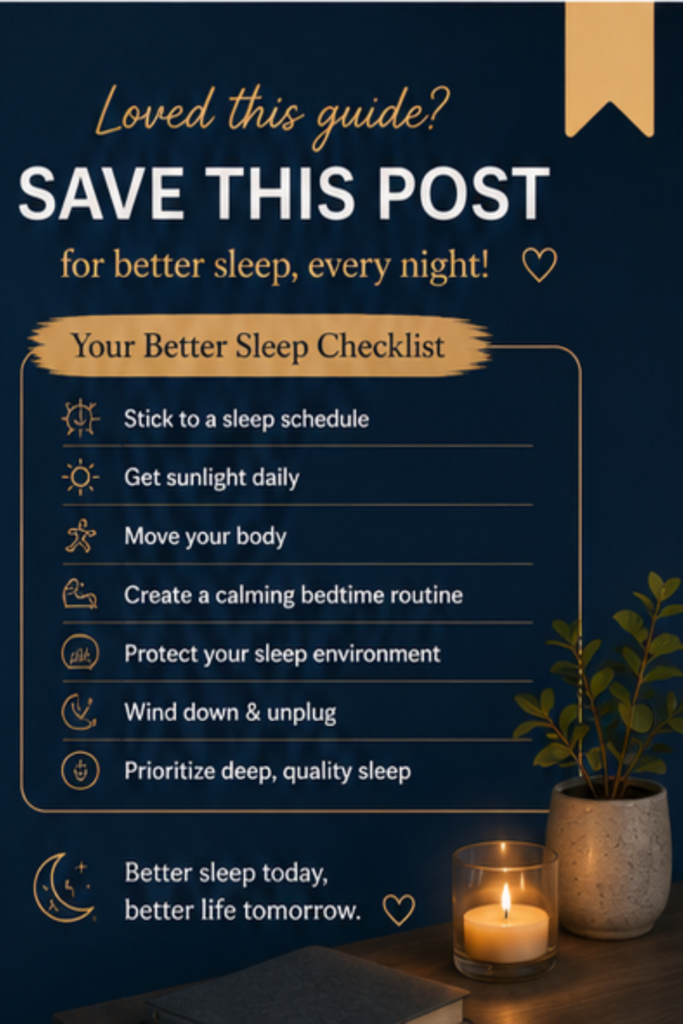
- Morning sunlight.
- Evening darkness.
- Consistent routines.
- Daily movement.
- A calm nervous system.
- A sleep-friendly environment.
These habits may sound simple.
That is because the most effective solutions usually are.
When you support your body the way it was designed to function, sleep stops feeling like a nightly struggle.
It becomes what it was always meant to be.
Natural.
Deep.
Restorative.
And one of the most powerful forms of healing available to you.
However, some people still wake up feeling exhausted even after sleeping long enough. If that sounds familiar, you might want to read Why Am I Getting Enough Sleep but Still Waking Up Tired?