The fitness world in 2026 feels very different from what it looked like even a few years ago. It’s no longer just about chasing aesthetics or spending endless hours in the gym. Today, fitness is more thoughtful, more personalized, and closely tied to overall well-being.
A mix of evolving lifestyles, better awareness around mental health, and rapid advances in technology has changed how people approach exercise. Workouts are now designed to fit into real lives, not disrupt them.
Whether you’re just getting started or looking to refresh your routine, understanding these trends can help you make smarter, more sustainable choices.
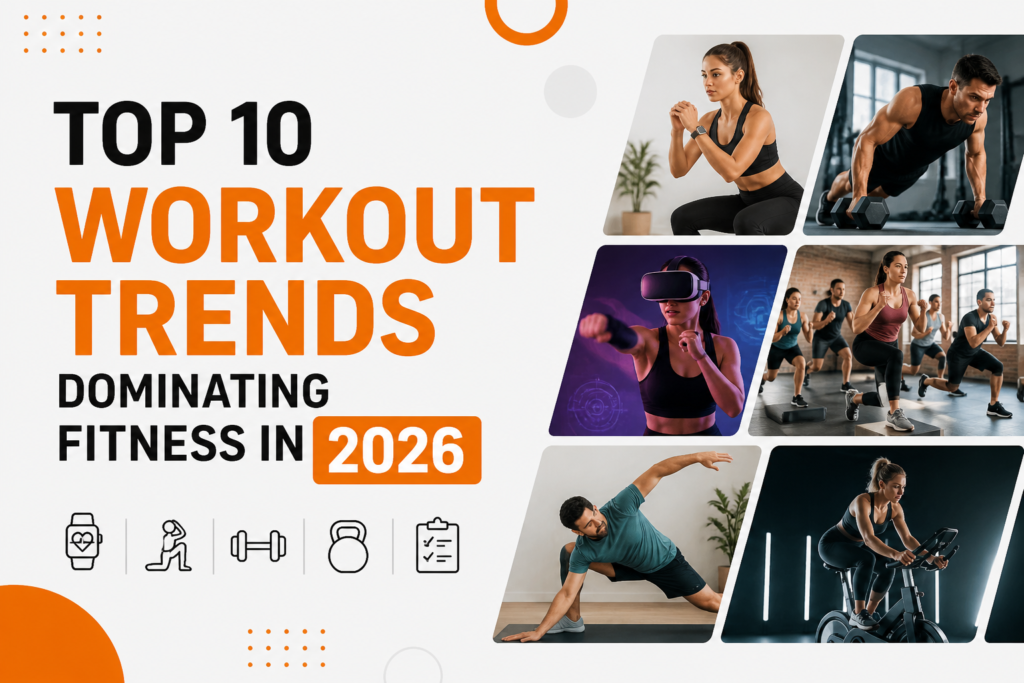
Let’s take a closer look at what’s shaping fitness in 2026.
1. Hybrid Training: A Smarter Way to Work
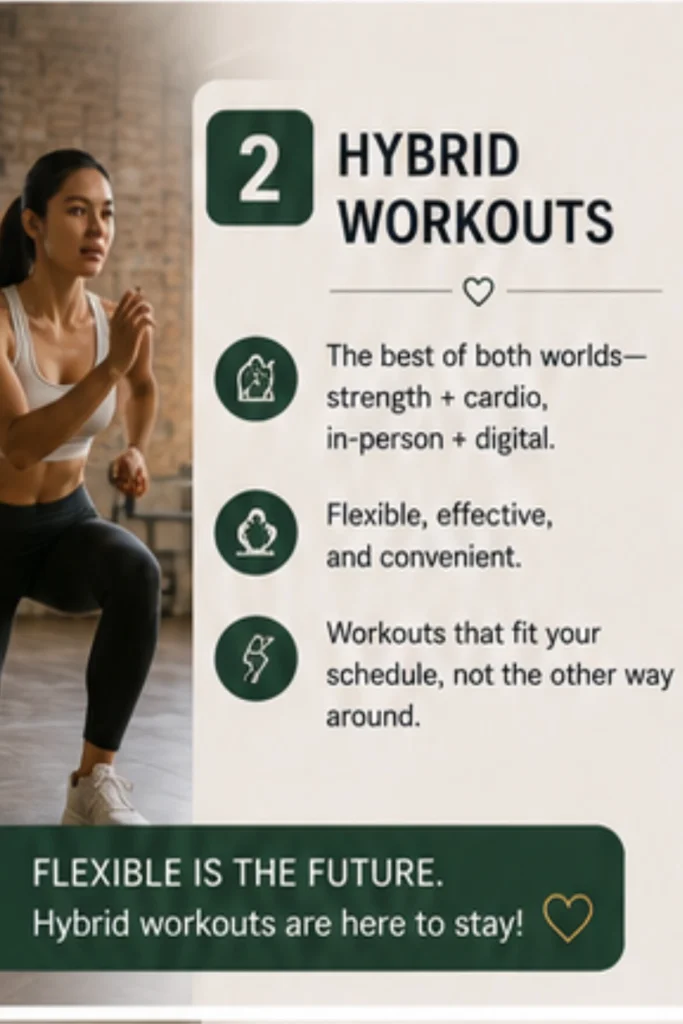
One of the biggest shifts is the rise of hybrid training, where people combine strength, cardio, and mobility in one routine. Instead of sticking to just one style, people are blending strength, cardio, and mobility into a single session.
You might lift weights, follow it up with short bursts of intense cardio, and finish with stretching or mobility work. It’s efficient, well-rounded, and ideal for people who don’t have hours to spare but still want meaningful results.
2. AI-Powered Personalization
Generic workout plans are slowly becoming a thing of the past. With AI-driven fitness platforms, workouts are now tailored in real time.
Your heart rate, recovery levels, and performance data all play a role in shaping each session. Some systems even adjust your workout while you’re doing it, helping you push just enough without overdoing it.
The result is training that feels more in sync with your body.
3. Wearables That Do More Than Count Steps
Fitness trackers have come a long way. Today’s wearable devices monitor sleep, stress, recovery, and even readiness for exercise.
This kind of insight helps people train smarter. Instead of guessing when to push harder or slow down, you have data guiding your decisions.
On top of that, features like streaks and challenges make staying consistent a little more fun.
4. Exercise Snacking: Small Efforts, Big Impact
Not everyone can commit to long workouts, and that’s perfectly fine. Exercise snacking is all about fitting short bursts of activity into your day.
A few minutes of movement here and there—whether it’s squats, a brisk walk, or quick stretching—can add up over time. It’s simple, flexible, and surprisingly effective when done regularly.
5. Training for Real Life: Functional Fitness
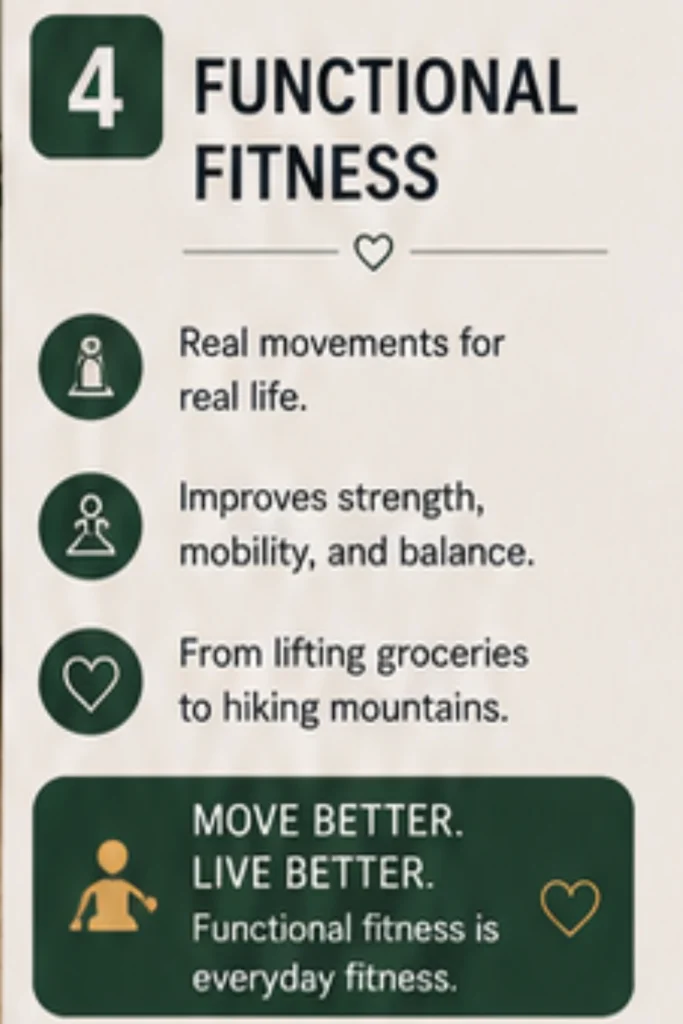
More people are focusing on movements that actually help in daily life. Functional fitness includes exercises like squatting, lifting, and reaching.
These movements improve strength, balance, and coordination, making everyday tasks easier and reducing injury risk.
Alongside this, strength training is gaining popularity across all age groups. Many people are now focusing on training for longevity instead of just weight loss.
6. Mind-Body Connection Takes Center Stage
Fitness today isn’t just physical. There’s a growing emphasis on mental well-being too.
Practices like yoga, Pilates, and mindful movement are becoming regular parts of workout routines. People are using exercise as a way to manage stress, improve focus, and feel more balanced.
This approach tends to be more sustainable because it supports both body and mind.
7. Walking Workouts and Low-Impact Movement
Walking has made a strong comeback, but with more structure and intention.
From interval walking to guided routines and step challenges, people are finding creative ways to make it more engaging. It’s accessible, easy to stick with, and effective for overall health.
Low-impact workouts are especially helpful for beginners and people focusing on fitness after 40.
8. Fitness as a Social Experience
Working out doesn’t have to be a solo activity anymore. Community-driven fitness is growing fast.
Whether it’s group classes, online communities, or shared challenges, people are finding motivation in connection. Having others to train with adds accountability and makes the process more enjoyable.
9. Recovery Is Finally a Priority
There’s a noticeable shift in mindset when it comes to rest. Recovery is no longer treated as optional.
Many athletes now understand the importance of recovery and rest days.
People are paying more attention to sleep, mobility work, and rest days. This balance helps prevent burnout, reduces injury risk, and actually improves performance over time.
Training smarter is starting to matter more than just training harder.
10. Boutique Studios and Specialized Experiences
Boutique fitness studios are gaining popularity by offering more focused and personalized experiences.
From small-group strength sessions to niche classes like reformer Pilates or heated workouts, these spaces prioritize quality and atmosphere. Many people are choosing these curated experiences over crowded, general gyms.
The Bigger Shift in Fitness
If you step back and look at the bigger picture, a few clear changes stand out:
- People are choosing sustainability over intensity
- Personalization is replacing one-size-fits-all routines
- Health is being valued over just appearance
- Community is becoming a key part of consistency
Fitness is no longer a short-term goal. It’s something people are integrating into their lives for the long run.
How You Can Adapt
You don’t need to follow every trend to stay fit. What matters is finding what works for you.
A few simple ways to get started:
Combine different types of workouts for balance
- Use technology if it helps you stay consistent
- Focus on showing up regularly rather than being perfect
- Make time for recovery
- Choose activities you actually enjoy
Final Thoughts:
Fitness in 2026 is more flexible, more inclusive, and far more practical than before. It’s not about extremes anymore. It’s about building habits you can maintain.
With smarter tools, shorter workouts, and a stronger focus on well-being, staying fit has become something that can fit into almost any lifestyle.
At the end of the day, the most effective routine is still the simplest one: the one you’ll keep coming back to.