
For a long time, skincare has been the center of the beauty and wellness world. People learned about cleansing, exfoliating, moisturizing, and protecting their skin barrier. We stopped looking for quick fixes and started focusing on long-term skin health. Now, that same mindset is changing the way we think about haircare.
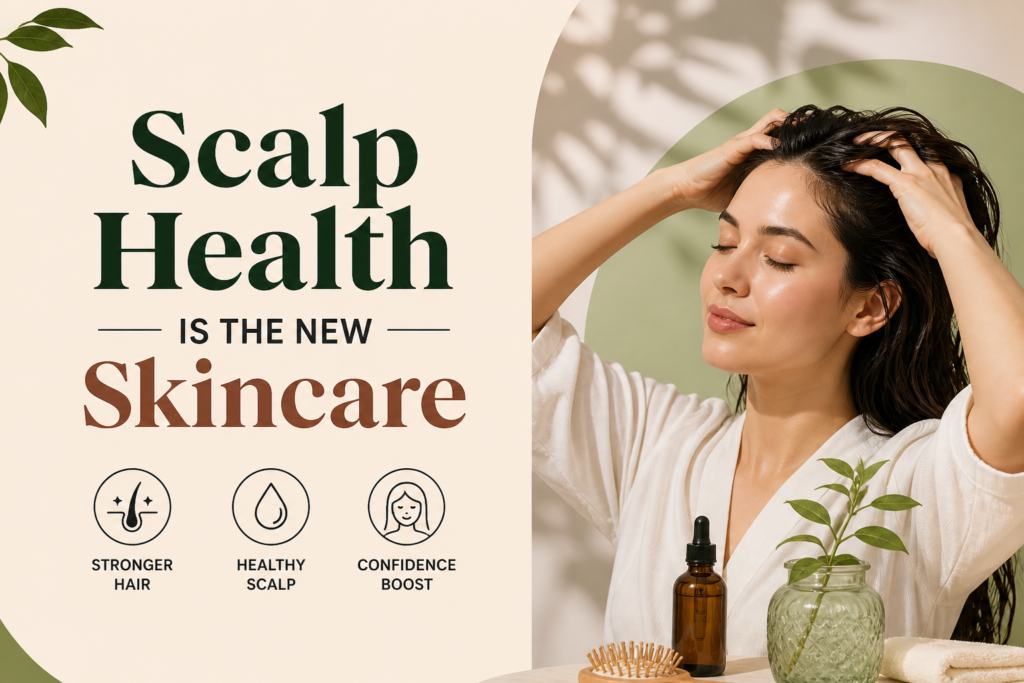
The conversation is no longer only about shiny hair, smooth strands, or repairing split ends. More people are realizing that healthy hair starts much deeper, at the scalp. This is why scalp health is becoming one of the biggest topics in beauty and wellness today.
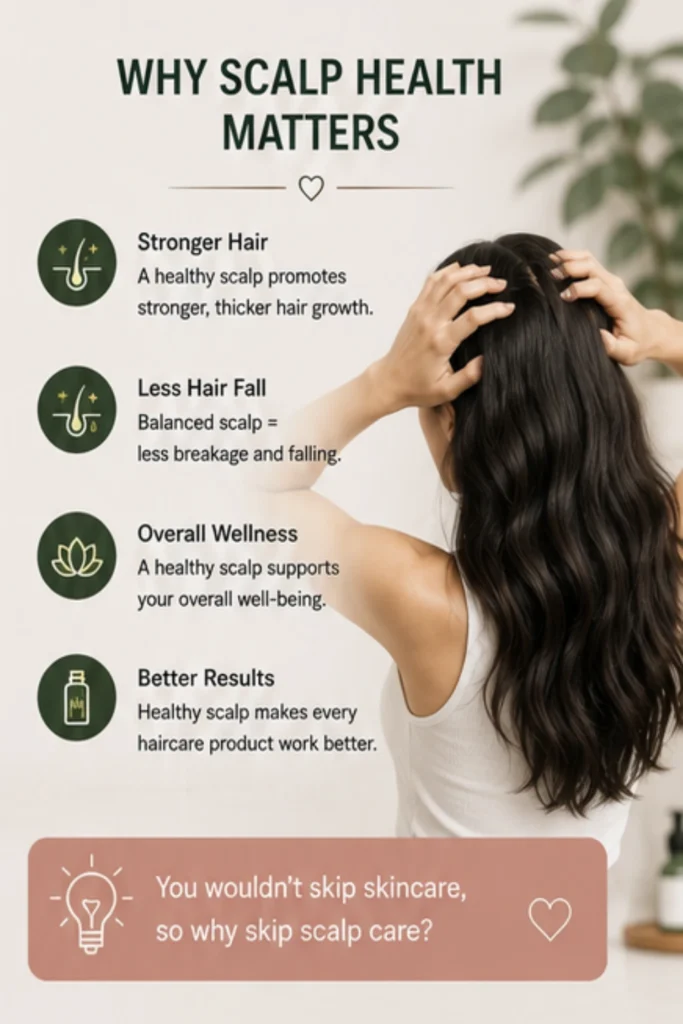
You can think of it this way: if the soil is unhealthy, the plant cannot grow properly. Your scalp works the same way. If it is dry, irritated, oily, clogged, or inflamed, your hair will struggle too. Stronger, healthier hair begins with a healthy foundation.
This growing focus on scalp care is often called “skinification.” It means treating your scalp with the same care and attention you give your skin. Since your scalp is also skin, it makes sense. It has oil glands, a natural protective barrier, and even its own microbiome. When that balance is disturbed, problems like dandruff, itching, hair fall, and sensitivity often follow.
Why Scalp Health Matters
For years, most haircare products focused on appearance. They promised shine, softness, smoothness, or volume. While these things matter, they often only improve the surface.
Imagine applying expensive makeup on skin that is irritated and damaged underneath. It may look better for a few hours, but the real issue is still there. Hair works the same way.
If your scalp is unhealthy, no serum or hair mask can completely solve the problem. Product buildup, pollution, harsh shampoos, stress, and heat styling can all damage the scalp barrier. When this happens, the scalp becomes irritated, dry, or overly oily, and hair growth can be affected too.
This is why people are moving from a “hair-first” routine to a “scalp-first” routine. Instead of asking how to make hair look better, they are asking why the scalp feels uncomfortable in the first place.
That shift is important because prevention always works better than repair.
What Skinification Really Means
Skinification sounds like a beauty buzzword, but the idea is actually very simple. It means using skincare principles in your haircare routine.
This includes:
- Gentle cleansing instead of harsh washing
- Exfoliating the scalp to remove buildup
- Keeping the scalp hydrated
- Repairing the scalp barrier
- Using targeted treatments for concerns like flakes, oiliness, or sensitivity
Just like your face, your scalp needs balance. Overwashing can strip away natural oils. Too much dry shampoo can clog the scalp. Heavy styling products can create buildup. Even using the wrong shampoo for too long can cause irritation.
There is no one-size-fits-all solution. Your scalp needs care based on its own condition, just like your skin does.
Signs Your Scalp Needs Help
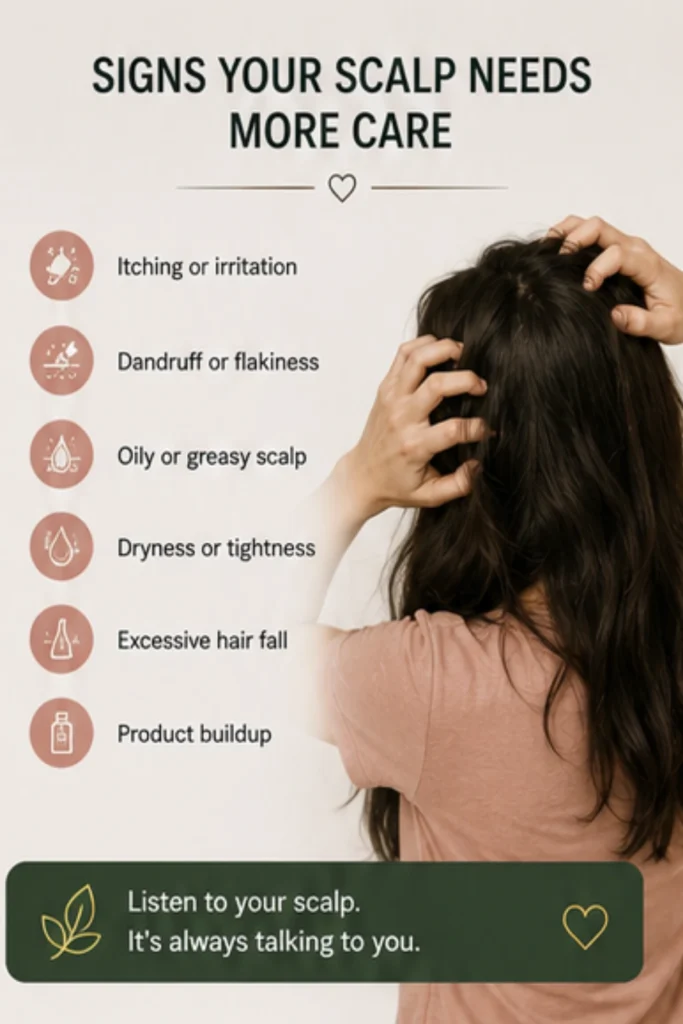
Many people ignore scalp issues because they think they are normal. A little itching, some flakes, or extra oil often gets dismissed. But these are usually signs that your scalp is asking for attention.
Some common warning signs include:
- Itchy scalp
- Flakes or dandruff
- Tightness or dryness
- Too much oil
- Sensitivity after washing
- Redness or irritation
- Hair thinning or unusual shedding
- Heavy product buildup
Sometimes the problem is not that you are doing too little, but that you are doing too much.
Overwashing, aggressive scrubs, frequent dry shampoo, and strong anti-dandruff shampoos can all make things worse. Many people try “scalp detox” trends they see online, only to end up with more dryness and irritation.
The goal is not to attack the scalp. The goal is to support it.
Ingredients That Are Changing Scalp Care
As scalp care becomes more advanced, ingredients matter more than ever. Many of the same ingredients used in skincare are now showing up in shampoos, serums, and scalp treatments.
Here are some of the most helpful ones:
- Niacinamide
Niacinamide is already popular in skincare, and it works well for the scalp too. It helps control excess oil, calm irritation, and strengthen the scalp barrier. It is especially useful for people with oily or sensitive scalps.
- Salicylic Acid
This ingredient helps gently exfoliate the scalp by removing dead skin cells, oil, and product buildup. It works well for flaky or oily scalps, but it should be used carefully so it does not cause dryness.
- Hyaluronic Acid
Most people know hyaluronic acid for hydration, and the same benefit applies to the scalp. It helps dry or tight scalps hold moisture and feel more comfortable.
- Ceramides
Ceramides help repair the scalp barrier by locking in moisture and protecting against dryness. They are especially helpful for people dealing with sensitivity or a damaged scalp barrier.
- Prebiotics and Postbiotics
These ingredients help support the scalp microbiome, which is the balance of healthy bacteria on the scalp. A balanced microbiome can reduce irritation, flakes, and inflammation.
The focus is no longer just clean hair. It is about creating a healthy scalp environment.
Building a Simple Scalp-First Routine
You do not need ten different products to improve scalp health. In fact, simple routines are often the most effective.
Here is what a practical scalp-first routine can look like:
- Use a Gentle Shampoo
Choose a shampoo that cleans the scalp without making it feel dry or tight. Sulfate-free formulas can be a good option, especially for sensitive scalps.
Focus on washing the scalp properly, not just the hair lengths.
- Exfoliate Once a Week
A clarifying shampoo or gentle scalp exfoliant can help remove buildup from oil, sweat, pollution, and styling products.
Once a week is usually enough. Too much exfoliation can cause irritation.
- Add a Scalp Serum
Scalp serums work like face serums. They target specific concerns like dryness, oil control, sensitivity, or weak roots.
This category is growing fast because people are starting to understand that the scalp needs treatment too.
- Protect Your Scalp Barrier
Avoid washing too often, using too much heat, or wearing very tight hairstyles that pull on the scalp.
Barrier protection is about preventing damage before it starts.
- Support Hair Health from Within
Scalp health is not only about products. Sleep, hydration, stress levels, and nutrition all play a major role.
Protein, iron, zinc, omega-3 fats, and B vitamins are important for healthy hair growth. Stress can also trigger hair shedding and scalp inflammation.
Sometimes the issue is internal, not external.
Stress Has a Bigger Impact Than You Think
Modern life is not very kind to the scalp.
Stress, lack of sleep, pollution, hormonal changes, processed foods, and constant styling all create pressure on the body. The scalp often shows these effects before we realize what is happening.
Many people notice more hair fall during stressful periods. Others suddenly deal with dandruff, sensitivity, or dryness without changing their products at all.
This is why scalp care should be part of wellness, not just beauty.
Healthy hair often reflects what is happening inside the body.
Social Media Trends vs Real Scalp Care
TikTok and Instagram have made scalp care more popular, but they have also created a lot of confusion.
Scalp massagers, overnight oiling, scalp detoxes, and intense scrubs are everywhere. Some of these can be helpful, but many are treated like miracle solutions when they are not.
Not every expensive product leads to hair growth. Not every viral trend is backed by science.
Sometimes the best routine is the simplest one: gentle cleansing, regular care, and patience.
Healthy hair does not usually come from one magical product. It comes from consistency.
The Future of Haircare
The future of beauty is moving toward prevention instead of repair.
People no longer want to wait until they have severe hair fall or chronic scalp problems before taking action. They want to protect their scalp early and maintain long-term health.
This is why modern haircare is becoming more science-based, personalized, and wellness-focused.
Consumers want ingredient transparency and real results, not just temporary shine. Scalp serums, exfoliating treatments, and microbiome-supporting formulas are becoming a normal part of everyday routines.
Haircare is starting to look a lot more like skincare, and that is a good thing.
Conclusion:
Scalp health is no longer something people only think about when dandruff appears. It is becoming the foundation of healthy hair and long-term beauty.
The truth is simple: healthy hair starts where you cannot see it.
A nourished scalp supports stronger roots, better growth, less irritation, and healthier hair overall. It also reflects a bigger idea, that beauty begins with health, not just appearance.
So the next time you invest in self-care, do not stop at your skincare shelf.
Look a little higher.
Your scalp deserves attention too.