
Introduction
Strong, healthy nails are more than just a cosmetic feature—they often reflect your overall health and well-being. In 2026, the conversation around nail care has shifted from temporary beauty fixes to holistic approaches that support nail strength from within. As consumers become increasingly aware of the connection between nutrition, hydration, and physical health, natural nail care has emerged as a major wellness trend.
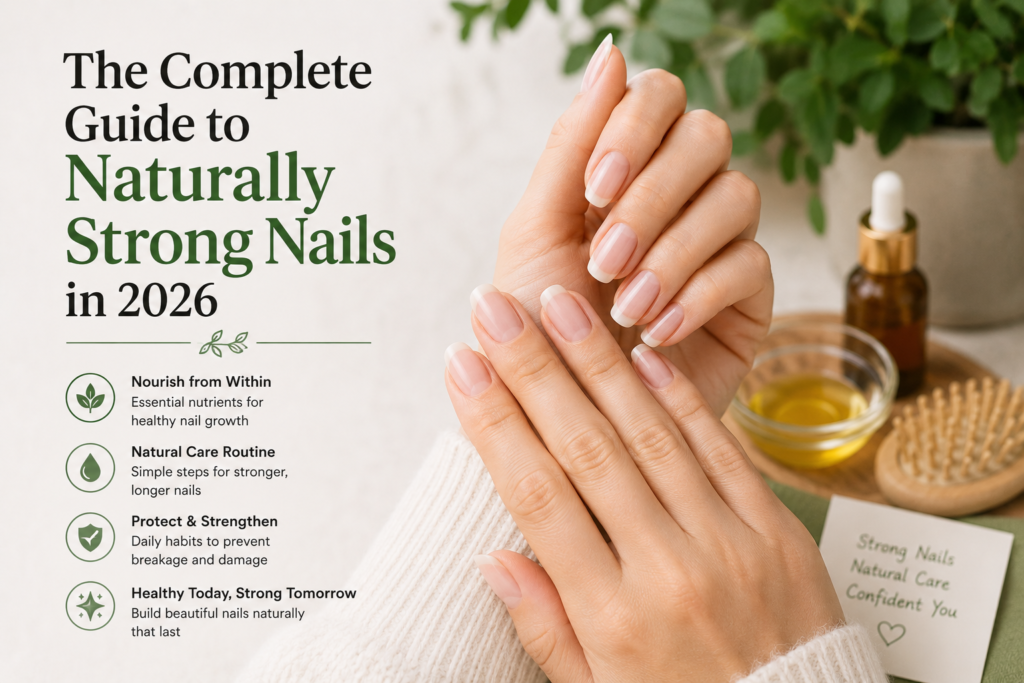
If your nails frequently split, peel, crack, or break, you’re not alone. According to Health experts brittle nails are commonly linked to factors such as dehydration, nutritional deficiencies, excessive exposure to water, and harsh chemical products. While nail weakness can be frustrating, the good news is that many of the underlying causes can be addressed through simple lifestyle and dietary changes.
This comprehensive guide explores the latest evidence-based strategies for achieving naturally strong nails in 2026.
Understanding Nail Health
To understand how to strengthen your nails, it helps to know how they are formed. Nails are made primarily of keratin, a structural protein that also forms hair and the outer layer of skin. Nails grow from a specialized area beneath the cuticle called the nail matrix, where new cells are continuously produced.
Because nails are living tissues during their formation stage, they depend on a steady supply of nutrients, hydration, and proper circulation. When this process is disrupted, nails may become thin, brittle, slow-growing, or prone to breakage.
Harvard Health Publishing notes that changes in nail texture, strength, and appearance can sometimes provide clues about overall health. While occasional nail damage is normal, persistent brittleness may indicate nutritional gaps, lifestyle habits, or underlying medical concerns that deserve attention.
Common Causes of Weak Nails
One of the most common causes of brittle nails is repeated exposure to water. According to dermatology experts cited by Healthline, frequent wetting and drying cycles can cause nails to expand and contract repeatedly, weakening their structure over time. Activities such as washing dishes, swimming, and excessive handwashing may contribute to this issue.
Chemical exposure is another major factor. Household cleaners, detergents, and acetone-based nail polish removers can strip away natural oils that help maintain nail flexibility. Without adequate moisture, nails become more susceptible to cracking and peeling.
Aging also plays a role. Cleveland Clinic experts explain that nails naturally lose moisture as we age, which can lead to increased brittleness and the development of visible ridges. This process is a normal part of aging but can often be minimized through proper care.
Physical trauma can also damage nails. Habits such as nail biting, picking at cuticles, aggressive manicures, and using nails as tools can weaken the nail plate and interfere with healthy growth.
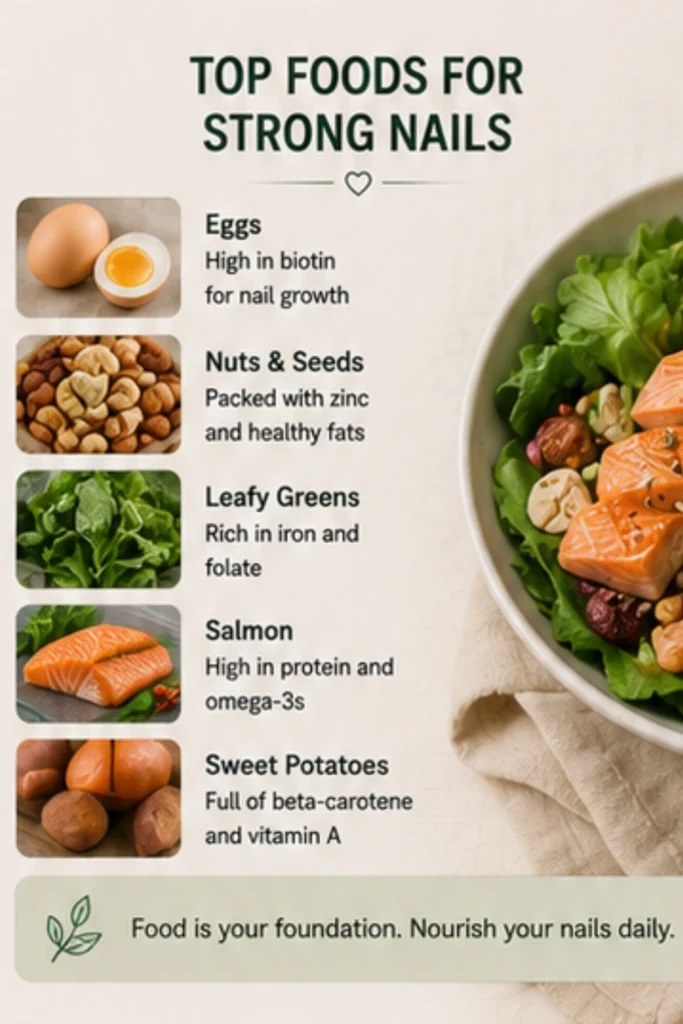
Nutrition: The Foundation of Strong Nails
Nutrition remains one of the most powerful tools for building stronger nails naturally. Since nails are composed largely of protein, consuming adequate amounts is essential for healthy growth.
According to expert’s review of nutritional research, protein deficiency can negatively affect nail growth and structure. Including protein-rich foods such as eggs, fish, poultry, Greek yogurt, beans, lentils, tofu, nuts, and seeds can help provide the building blocks necessary for stronger nails.
Biotin, also known as vitamin B7, continues to receive significant attention in nail health research. Healthline reports that several studies have found biotin may improve nail thickness and reduce brittleness in some individuals. Foods naturally rich in biotin include egg yolks, salmon, almonds, walnuts, avocados, and sweet potatoes.
Iron is another critical nutrient. Harvard Health Publishing notes that iron deficiency is among the most common nutritional causes of nail abnormalities. When iron levels are insufficient, the body may struggle to deliver adequate oxygen to growing nail tissues, potentially resulting in weaker nails. Incorporating iron-rich foods such as lean meats, spinach, lentils, chickpeas, and pumpkin seeds can support healthy nail development.
Zinc also plays an important role in cellular growth and tissue repair. Nail care experts highlight that low zinc levels may contribute to slow nail growth and weakened nail structure. Good dietary sources include shellfish, beef, oats, chickpeas, cashews, and pumpkin seeds.
Vitamin C deserves equal attention because it supports collagen production. Collagen is an important structural protein that contributes to healthy skin, hair, and nails. Citrus fruits, strawberries, kiwi, broccoli, and bell peppers are excellent sources of this essential nutrient.
Why Hydration Matters More Than You Think
Hydration is often overlooked in nail care discussions, yet it plays a crucial role in maintaining nail strength. Medical News Today emphasizes that nails contain water, and inadequate hydration can contribute to dryness, brittleness, and splitting.
Drinking enough water throughout the day helps maintain moisture balance throughout the body, including the nails. However, internal hydration is only part of the equation. External moisture is equally important.
Dermatologists frequently recommend applying hand creams and cuticle oils to replenish moisture lost through daily activities. Ingredients such as jojoba oil, argan oil, shea butter, and vitamin E can help improve nail flexibility and reduce breakage.
Building the Perfect Daily Nail Care Routine
Achieving stronger nails doesn’t require expensive treatments or complicated routines. In fact, consistency is often more important than complexity.
A good nail care routine begins with moisturizing after every hand wash. Prevention magazine reports that dermatologists consistently recommend frequent moisturizing as one of the most effective strategies for preventing brittle nails. Applying hand cream immediately after washing helps lock in moisture and protect the nail plate.
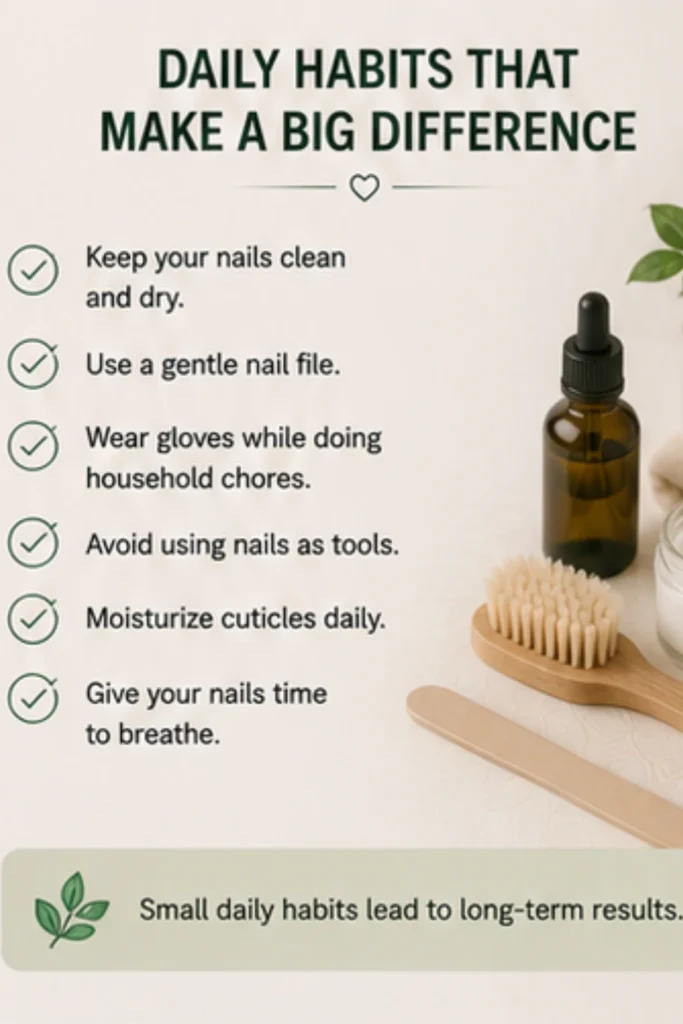
Daily cuticle care is another important habit. The cuticle acts as a protective barrier for the nail matrix, helping prevent damage and infection. Applying a nourishing cuticle oil once or twice daily can improve flexibility and reduce dryness around the nail bed.
Keeping nails at a practical length can also minimize breakage. Shorter nails experience less mechanical stress during everyday tasks, making them less likely to split or crack.
Proper filing techniques are equally important. Nail care professionals generally recommend using a fine-grit file and filing in one direction rather than using aggressive back-and-forth motions that can create tiny fractures in the nail.
Habits That Secretly Damage Your Nails
Many people unknowingly sabotage their nail health through everyday habits.
Using nails to open packages, scrape labels, or pry objects places unnecessary stress on the nail plate. Over time, these repeated micro-traumas can weaken nail structure.
Excessive use of acrylic nails, gel manicures, and harsh polish removers may also contribute to long-term damage. According to dermatologists interviewed by Prevention, repeated exposure to these treatments can leave nails thinner and more vulnerable to breakage.
Nail biting remains another significant concern. Beyond damaging the nail itself, biting can injure surrounding skin and increase the risk of infection.
Wearing gloves during cleaning and gardening is one of the simplest yet most effective preventive measures. Healthline notes that protective gloves help shield nails from prolonged moisture exposure and harsh chemicals that can compromise nail integrity.
Are Nail Supplements Worth Taking?
The global demand for beauty supplements continues to grow in 2026, but experts caution against viewing supplements as a quick fix.
Detailed analysis of current research suggests that biotin supplements may provide benefits for some individuals experiencing brittle nails, particularly when dietary intake is insufficient. However, evidence remains mixed, and results can vary from person to person.
Many healthcare professionals recommend focusing on a nutrient-rich diet before turning to supplements. Whole foods provide a broad spectrum of vitamins, minerals, antioxidants, and proteins that work together to support nail health.
It’s also important to use supplements responsibly. Verywell Health notes that high doses of biotin may interfere with certain laboratory tests, making it essential to consult a healthcare provider before beginning supplementation.
When Nail Changes May Signal a Health Problem
Although most nail concerns are related to lifestyle factors or environmental damage, some changes warrant professional evaluation.
Harvard Health Publishing advises seeking medical attention if you notice sudden and severe nail brittleness, significant color changes, dark streaks, thickening, pain, swelling, or separation of the nail from the nail bed.
In some cases, nail abnormalities may be associated with thyroid disorders, nutritional deficiencies, circulation problems, or other underlying health conditions. Early evaluation can help identify and address potential concerns before they progress.
Nail Health Trends in 2026
The biggest nail wellness trends of 2026 reflect a broader shift toward preventive health and self-care. Rather than relying solely on cosmetic enhancements, consumers are increasingly embracing habits that support natural nail strength.
Beauty experts featured in Good Housekeeping report growing interest in minimalist manicures, nourishing cuticle treatments, barrier-protective nail products, and nutrition-focused beauty routines. The emphasis is moving away from covering nail damage and toward creating healthier nails from the inside out.
This trend aligns with the broader wellness movement, which recognizes that lasting beauty often begins with overall health.
Final Thoughts
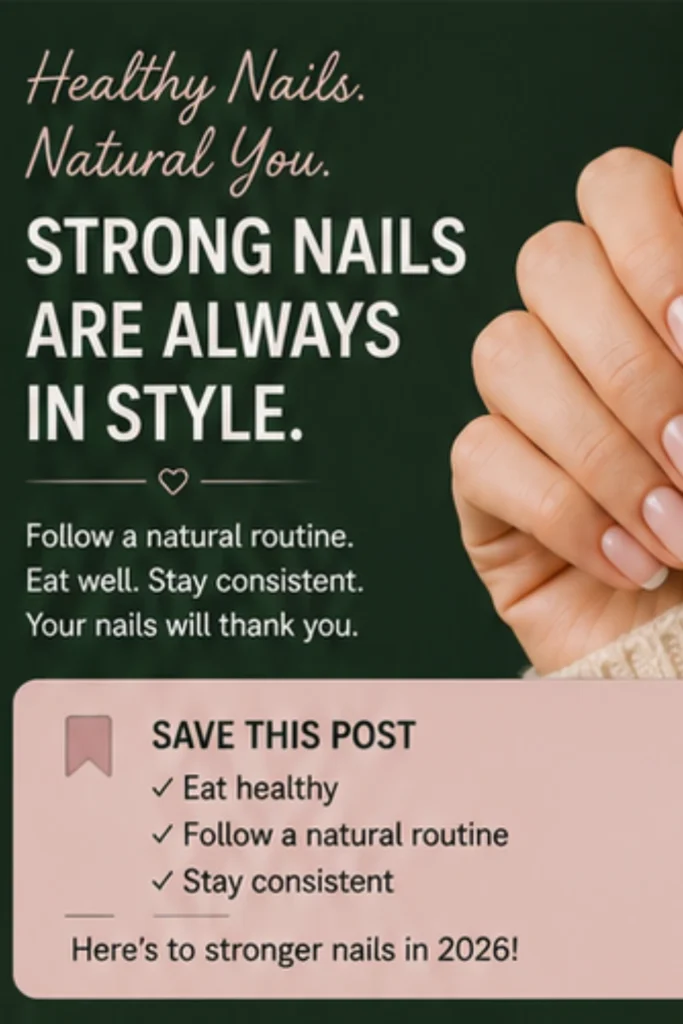
Naturally strong nails are not built overnight. They are the result of consistent habits that support health from the inside out. By prioritizing protein-rich foods, consuming adequate vitamins and minerals, staying hydrated, protecting your nails from damage, and following a simple daily care routine, you can significantly improve nail strength and resilience over time.
As Healthline, Harvard Health Publishing, Cleveland Clinic, and other leading health authorities consistently emphasize, healthy nails are often a reflection of overall wellness. Rather than searching for quick fixes, focus on sustainable habits that nourish your body and protect your nails every day.
In 2026, the strongest nails are not necessarily the longest or most polished—they are the ones supported by a healthy lifestyle, balanced nutrition, and mindful self-care.