
For decades, anxiety was viewed almost exclusively as a condition of the mind—a problem rooted in the brain, influenced by genetics, life experiences, hormones, and psychological stress. While these factors undoubtedly play important roles, a growing body of scientific research is challenging this brain-centric view.
Researchers are now uncovering evidence that one of the most influential players in mental well-being may be located far from the brain itself: the gut.
The trillions of bacteria, fungi, and other microorganisms living in the digestive tract—collectively known as the gut microbiome—appear to influence everything from immune function and metabolism to mood and emotional resilience. What was once considered a niche area of research has become one of the most exciting frontiers in modern medicine.
Scientists now believe that the health of our gut and the health of our mind are deeply intertwined.
The Gut-Brain Conversation
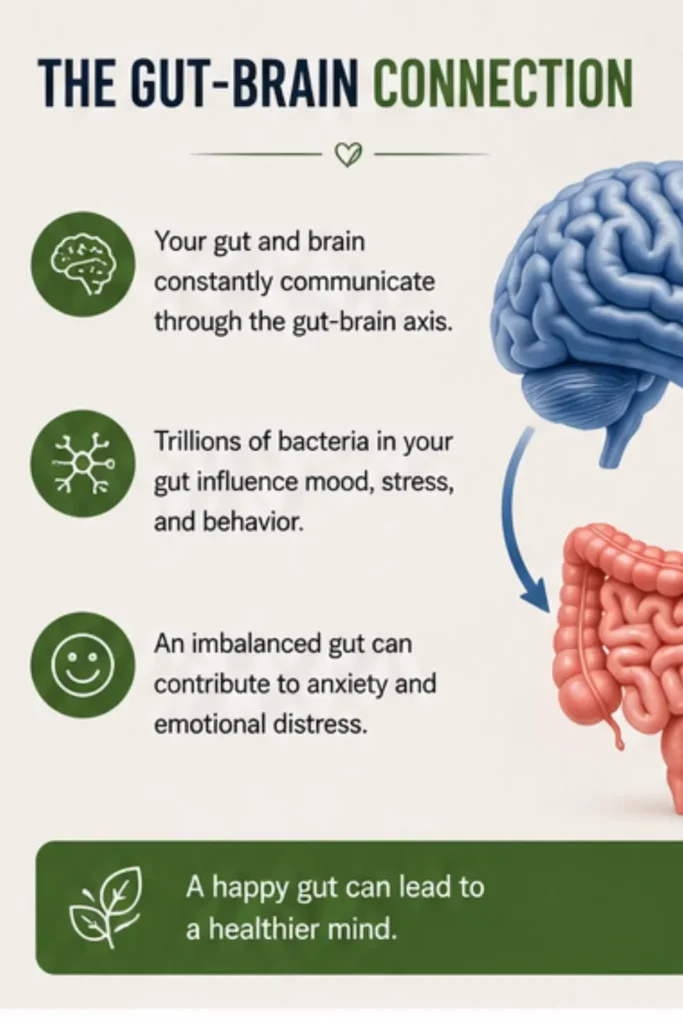
The relationship between the gut and the brain is not a one-way street. These two systems are in constant communication through a network known as the gut-brain axis.
This communication occurs through multiple pathways, including the nervous system, hormones, immune signals, and microbial metabolites produced by gut bacteria. One of the most important links is the vagus nerve, a major communication highway that connects the digestive tract directly to the brain.
For years, doctors observed that emotional stress could trigger digestive symptoms. People often experience nausea before an important presentation, stomach discomfort during stressful periods, or changes in bowel habits when anxiety levels rise.
What scientists are now discovering is that the reverse may also be true: disturbances in the gut may influence how the brain processes stress and anxiety. Research over the past two decades has established that gut microbes can affect brain activity and behavior, while signals from the brain can also alter the composition of the microbiome.
Why the Microbiome Matters
The human gut is home to an astonishing ecosystem of microorganisms. These microbes help digest food, produce essential nutrients, regulate immune responses, and maintain the integrity of the intestinal barrier.
When this ecosystem is balanced and diverse, it supports overall health. Problems arise when the balance shifts—a condition known as dysbiosis.
Dysbiosis can occur due to factors such as:
- Highly processed diets
- Chronic stress
- Poor sleep
- Frequent antibiotic use
- Sedentary lifestyles
- Certain illnesses
Researchers have repeatedly observed differences in the gut microbiota of people living with anxiety disorders compared with healthy individuals. While scientists have not identified a single “anxiety bacterium,” emerging evidence suggests that microbial diversity and specific bacterial populations may influence how individuals respond to stress.
The Serotonin Connection
One reason scientists are so interested in the gut is its role in neurotransmitter production.
Serotonin, often referred to as the body’s “feel-good” chemical, plays a critical role in mood regulation, emotional stability, sleep quality, and stress management. Surprisingly, the vast majority of the body’s serotonin is produced in the gastrointestinal tract.
Although serotonin produced in the gut does not directly travel into the brain, it influences communication along the gut-brain axis and affects numerous biological processes linked to emotional well-being.
Researchers believe that gut microbes may help regulate the production of serotonin and other neuroactive compounds, potentially influencing mood and anxiety levels over time.
Inflammation: The Hidden Middleman
Another important piece of the puzzle is inflammation.
The digestive tract houses a significant portion of the body’s immune system. When the gut barrier becomes compromised or microbial balance is disrupted, inflammatory signals can increase throughout the body.
Scientists have long linked chronic low-grade inflammation with a variety of mental health conditions, including anxiety and depression. Excessive inflammation may alter neurotransmitter function, affect stress pathways, and interfere with normal communication between the gut and brain.
Many researchers now suspect that inflammation serves as a critical bridge connecting poor gut health with psychological symptoms. Individuals with healthier and more diverse gut microbiomes often show lower levels of inflammatory activity, which may help support emotional resilience.
Stress Doesn’t Just Affect the Brain
Most people think of stress as a mental experience, but its effects extend throughout the body.
Recent research suggests that the gut microbiome may play a role in regulating the body’s primary stress-response system, known as the hypothalamic-pituitary-adrenal (HPA) axis. This system controls the release of cortisol and other stress hormones that prepare the body to respond to challenges.
When the microbiome becomes disrupted, the body’s stress response may become exaggerated or less efficient. At the same time, chronic stress itself can alter the composition of the gut microbiota, creating a self-reinforcing cycle.
In other words, anxiety can negatively affect the gut, and an unhealthy gut may make it harder for the body to cope with stress. Recent studies have even suggested that gut microbes help regulate daily rhythms in stress-related pathways, further highlighting the microbiome’s role in emotional regulation.

What the Latest Research Reveals
Interest in the microbiome-anxiety connection has accelerated dramatically in recent years.
A 2025 review published in Current Psychiatry Reports evaluated evidence linking the gut microbiome with generalized anxiety disorder, panic disorder, social anxiety disorder, and related conditions. Researchers concluded that although many studies remain relatively small, the findings consistently point toward an important role for the microbiome in anxiety disorders.
Another systematic review published in BMC Psychiatry analyzed available research on depression and anxiety and found recurring patterns of microbial differences among affected individuals. The authors noted that alterations in gut bacterial communities may contribute to emotional disorders and warrant further investigation.
Animal studies have produced some of the most striking findings. In several experiments, transferring gut microbes from anxious subjects into laboratory animals resulted in anxiety-like behaviors, suggesting that microbial communities may actively influence brain function rather than simply reflect existing mental health conditions.
Can Improving Gut Health Help Reduce Anxiety?
Scientists are careful not to overstate the evidence. Anxiety is a complex condition influenced by genetics, environment, life circumstances, and brain chemistry. No single dietary change or supplement can eliminate anxiety.
However, research increasingly suggests that supporting gut health may become an important part of a broader mental wellness strategy.
Several lifestyle habits consistently appear beneficial for both gut and mental health:
1. Prioritize Fiber-Rich Foods
Dietary fiber acts as fuel for beneficial gut bacteria. Fruits, vegetables, legumes, nuts, seeds, and whole grains help support microbial diversity and encourage the production of compounds associated with reduced inflammation.
2. Eat More Fermented Foods
Foods such as yogurt, kefir, kimchi, sauerkraut, miso, and tempeh contain beneficial microorganisms that may help support a healthier gut ecosystem.
3. Manage Chronic Stress
Because stress can directly influence the microbiome, stress-management practices such as meditation, exercise, deep breathing, and adequate sleep may benefit both digestive and mental health.
4. Be Mindful of Antibiotic Use
While antibiotics are sometimes necessary, excessive use can disrupt microbial diversity. Taking medications only when medically appropriate can help preserve a healthy microbiome.
What Scientists Still Don’t Know
Despite significant progress, many questions remain unanswered.
Researchers are still working to determine which specific microbes have the strongest influence on anxiety, whether microbiome changes cause anxiety or result from it, and which interventions offer the greatest benefits.
Future studies may eventually lead to personalized treatments that use nutrition, probiotics, microbiome analysis, or other targeted therapies as part of mental health care.
For now, the science remains promising but incomplete.
The Takeaway
The idea that mental health could be influenced by the trillions of microbes living in our digestive system would have seemed far-fetched just a generation ago. Today, it is one of the most compelling areas of medical research.
Evidence increasingly suggests that the gut and brain are engaged in an ongoing conversation that influences how we think, feel, and respond to stress. While gut health is not the sole cause of anxiety, it may be a significant factor that has long been overlooked.
As researchers continue to unravel the mysteries of the gut-brain axis, one message is becoming clear: taking care of your digestive health may be one of the most important investments you can make in your overall well-being—including your mental health.