
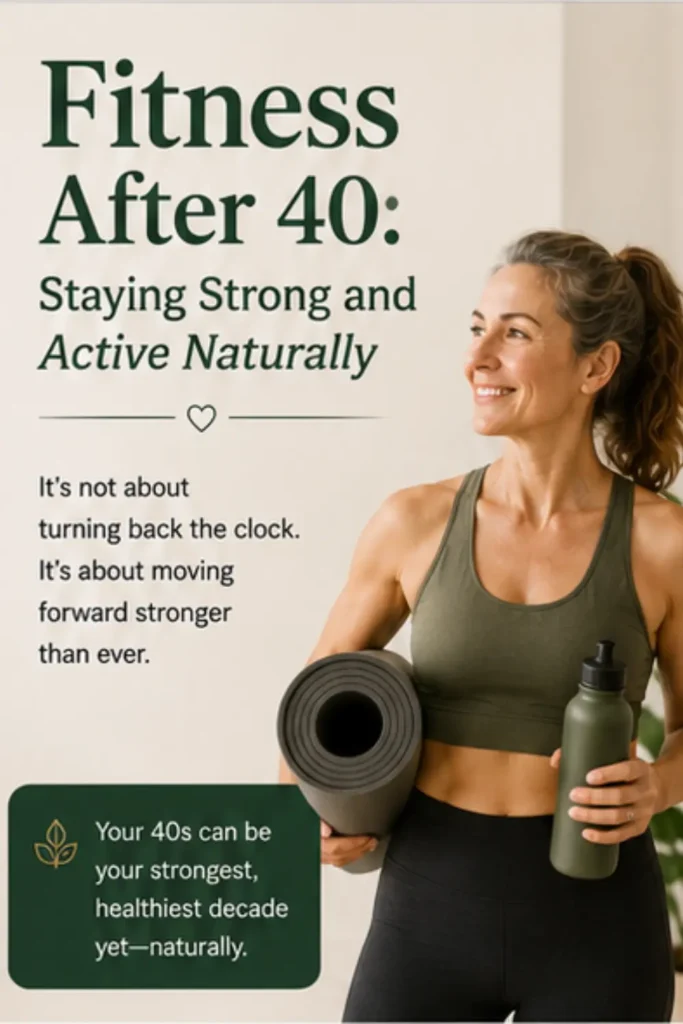
Turning 40 often brings a new perspective on health, fitness, and overall well-being. For many people, this stage of life becomes a wake-up call to prioritize physical health and long-term wellness. While the body naturally changes with age, staying fit after 40 is not only possible, it can be one of the most rewarding phases of your life.
Fitness after 40 is less about chasing extreme transformations and more about building strength, improving mobility, protecting joints, maintaining energy, and supporting mental well-being. The good news is that you do not need intense workouts or complicated routines to stay strong and active. With a natural, balanced approach, you can enjoy better health, improved confidence, and a higher quality of life for years to come.
Understanding How the Body Changes After 40
As we age, the body begins to experience natural physiological changes. Muscle mass gradually decreases, metabolism slows down, bone density may reduce, and recovery from exercise can take longer. Hormonal changes can also affect energy levels, weight management, and sleep quality.
These changes are normal, but they do not mean decline is unavoidable. In fact, regular movement and smart lifestyle choices can significantly slow these effects and even reverse some of them. Strength can be rebuilt, flexibility improved, and stamina enhanced at any age.
The key is to adapt your fitness strategy to your body’s current needs rather than trying to follow routines designed for your 20s.
Why Fitness After 40 Matters
Staying active after 40 is about much more than appearance. It plays a major role in preventing chronic diseases and maintaining independence later in life.
- Regular exercise helps:
- Improve heart health
- Strengthen muscles and bones
- Support joint flexibility
- Reduce the risk of diabetes and high blood pressure
- Improve posture and balance
- Boost mood and reduce stress
- Enhance sleep quality
- Maintain healthy body weight
- Increase daily energy levels
- Improve brain function and memory
Fitness becomes an investment in your future self. Every walk, stretch, and strength session contributes to long-term vitality.
Focus on Strength Training
One of the most important aspects of fitness after 40 is strength training. As muscle mass naturally declines with age, resistance exercises help preserve and rebuild it.
Strength training does not mean lifting extremely heavy weights. It can include bodyweight exercises, resistance bands, dumbbells, or machine workouts.
Some effective exercises include:
- Squats
- Lunges
- Push-ups
- Planks
- Deadlifts
- Resistance band rows
- Shoulder presses
- Glute bridges
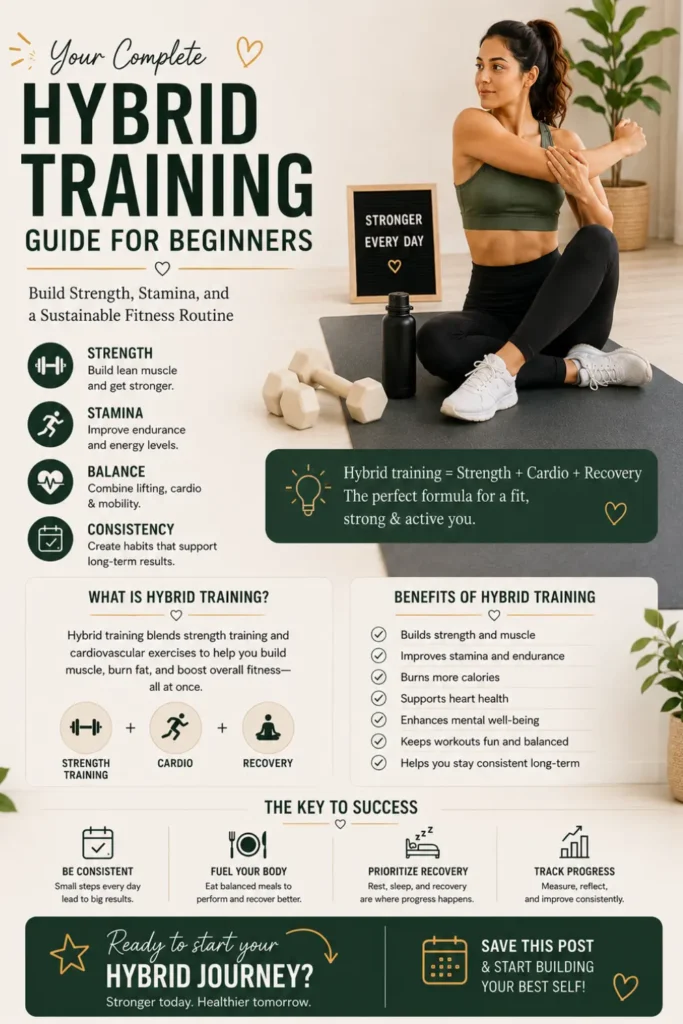
Aim for strength training at least two to three times per week. This helps improve muscle tone, support metabolism, protect bones, and reduce the risk of injury.
Strong muscles also make everyday tasks easier, from carrying groceries to climbing stairs.
Do Not Ignore Mobility and Flexibility
Many people focus only on cardio or weight loss, but mobility becomes increasingly important after 40. Tight muscles, stiff joints, and reduced flexibility can lead to discomfort and limited movement.
Stretching and mobility work improve posture, balance, and overall body function. It also helps reduce pain in the neck, back, hips, and shoulders.
Helpful practices include:
- Morning stretching
- Yoga
- Pilates
- Dynamic warm-ups before workouts
- Foam rolling
- Joint mobility exercises
Even 10 to 15 minutes a day can make a noticeable difference in how your body feels and moves.
Cardio for Heart Health and Energy
Cardiovascular exercise remains essential after 40, but it does not have to be exhausting. Walking, swimming, cycling, dancing, hiking, and low-impact aerobic workouts are excellent options.
The goal is consistency, not punishment.
Try to get at least 150 minutes of moderate-intensity cardio each week. This supports heart health, circulation, lung function, and mental clarity.
Walking is especially underrated. A brisk 30-minute walk daily can improve mood, reduce belly fat, and support healthy aging without putting stress on the joints.
Recovery Is Just as Important as Exercise
One of the biggest mistakes people make after 40 is ignoring recovery. Unlike younger years, the body may need more time to repair and adapt after workouts.
Recovery includes:
- Quality sleep
- Rest days
- Proper hydration
- Stretching
- Balanced nutrition
- Stress management
Overtraining can lead to fatigue, injury, and hormonal imbalance. Listening to your body is a sign of wisdom, not weakness.
Sleep deserves special attention. Poor sleep affects metabolism, energy, mood, and muscle recovery. Prioritizing 7 to 8 hours of quality sleep can improve every area of fitness.
Natural Nutrition for Lasting Strength
Fitness after 40 is strongly connected to nutrition. What you eat affects energy, recovery, hormones, and body composition.
Instead of restrictive diets, focus on nourishing your body with whole, natural foods.
Key nutrition principles include:
- Prioritize Protein
Protein supports muscle repair and helps prevent age-related muscle loss. Include sources like eggs, fish, chicken, lentils, beans, Greek yogurt, tofu, and nuts.
- Choose Healthy Fats
Healthy fats support hormones, brain function, and joint health. Avocados, olive oil, seeds, nuts, and fatty fish are excellent choices.
- Eat Fiber-Rich Foods
Vegetables, fruits, whole grains, and legumes support digestion and help maintain healthy blood sugar levels.
- Stay Hydrated
Dehydration can cause fatigue, headaches, and poor performance. Drinking enough water becomes even more important with age.
- Reduce Processed Foods
Excess sugar, refined carbs, and highly processed foods can increase inflammation and make weight management harder.
A balanced, sustainable eating pattern works far better than short-term dieting.
Managing Weight Naturally After 40
Weight management often becomes more challenging due to slower metabolism and hormonal shifts. However, extreme dieting usually backfires.
The most effective approach includes:
- Building muscle through strength training
- Staying active throughout the day
- Eating balanced meals
- Managing stress
- Sleeping well
- Avoiding emotional eating patterns
Focus on body composition and how you feel, not just the number on the scale. Strength, energy, and confidence matter more than rapid weight loss.
Mental Health and Motivation Matter
Fitness after 40 is not only physical, it is deeply connected to mental and emotional wellness.
Stress from work, family responsibilities, financial pressure, and life transitions can impact motivation and consistency. Exercise becomes a powerful tool for managing mental health.
Regular movement helps release endorphins, reduce anxiety, and improve self-esteem. Activities like walking outdoors, yoga, and strength training can provide both physical and emotional relief.
Motivation may also look different than it did in your younger years. Instead of focusing on appearance, many people find deeper motivation in wanting to feel stronger, live longer, and remain independent.
That mindset creates lasting habits.
Avoid the Comparison Trap
One common challenge after 40 is comparing yourself to your younger self or to others.
Fitness is not about proving something. It is about honoring your current body and building the healthiest version of yourself now.
Progress may look different, but it is still progress.
Celebrate:
- Better sleep
- Less joint pain
- Improved energy
- Stronger muscles
- Better posture
- More confidence
- Consistent routines
- These victories matter far more than unrealistic standards.
- Creating a Sustainable Routine
- The best fitness plan is the one you can actually maintain. Consistency beats perfection every time.
- Start with realistic habits such as:
- Walking 30 minutes a day
- Strength training twice a week
- Stretching every morning
- Drinking more water
- Preparing healthier meals
- Going to bed earlier
Small actions repeated consistently create powerful long-term results.
Avoid all-or-nothing thinking. Missing one workout does not mean failure. Sustainable fitness is built through patience and flexibility.
When to Seek Professional Guidance
If you are new to exercise or managing health conditions such as arthritis, diabetes, high blood pressure, or back pain, professional guidance can be helpful.
A certified fitness trainer, physiotherapist, or healthcare provider can help create a safe and effective plan tailored to your needs.
The goal is smart progress, not unnecessary risk.
Conclusion:
Fitness after 40 is not about slowing down, it is about moving smarter. This stage of life offers an opportunity to reconnect with your body, improve your health, and build strength that supports you for decades to come.
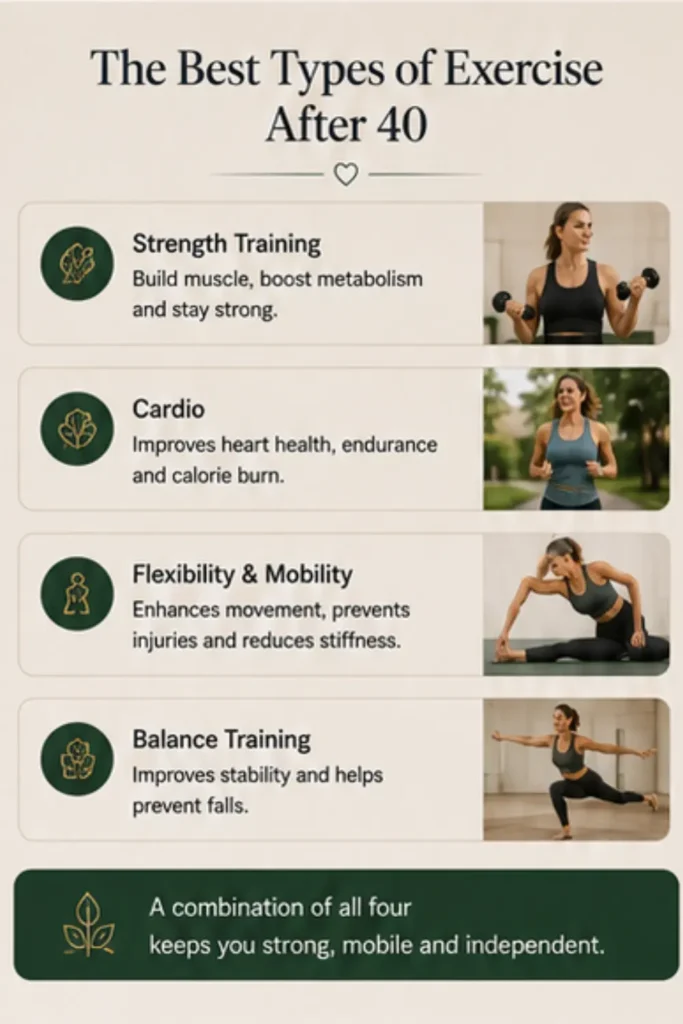
By focusing on strength training, mobility, heart health, recovery, balanced nutrition, and mental wellness, you can stay strong and active naturally without extreme methods.
Your body may change with age, but your ability to thrive does not disappear. In many ways, your 40s and beyond can be your strongest years yet.
The secret is simple: keep moving, stay consistent, and treat fitness as a lifelong form of self-care.
Because staying fit after 40 is not just about adding years to life, it is about adding life to your years.